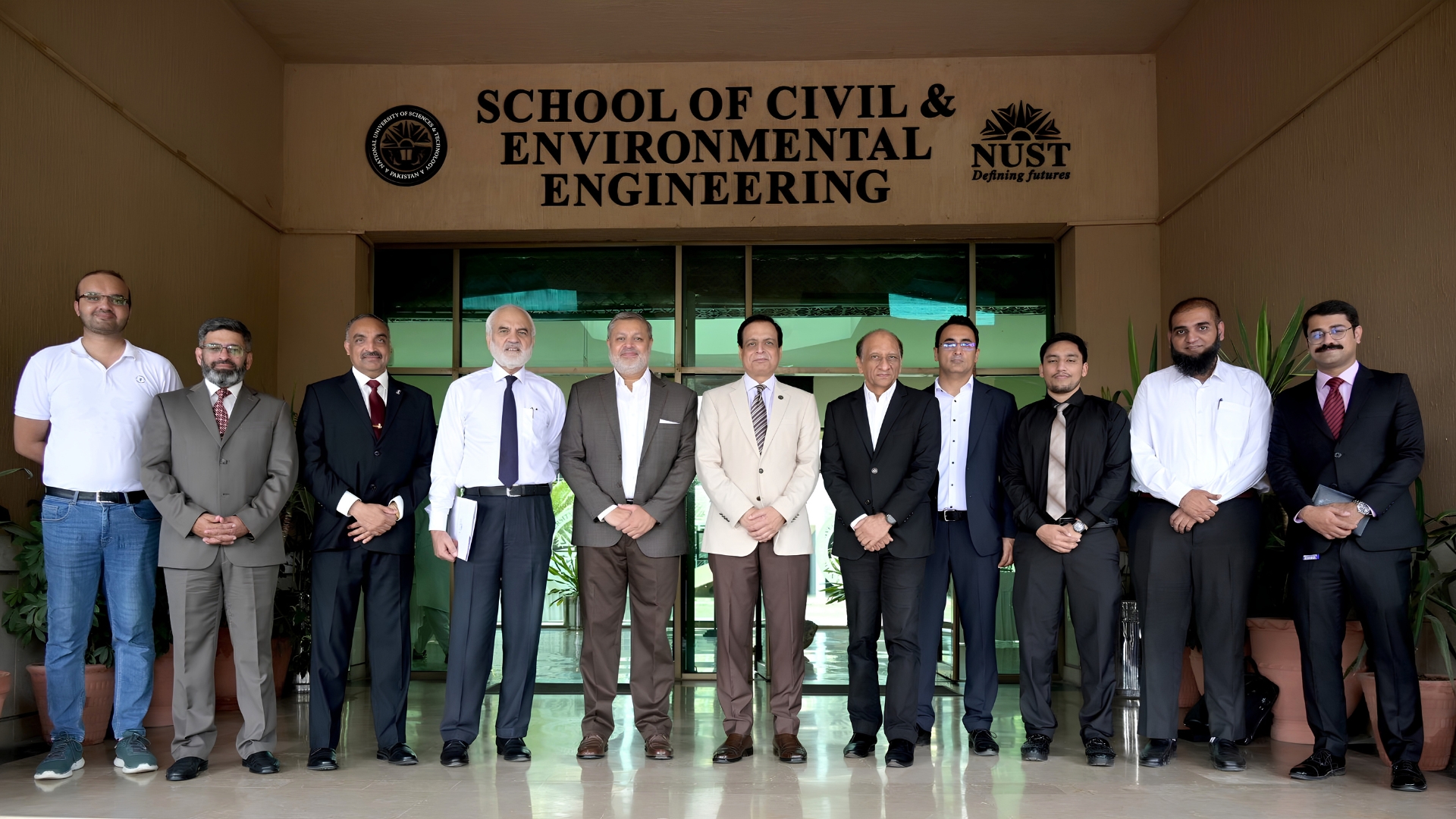
On 30 July 2026, CSI Bangkok partnered with the School of Civil and Environmental Engineering (SCEE) at National University of Sciences & Technology (NUST), Islamabad, to deliver two technical sessions exploring engineering education and the future of bridge engineering.
The visit featured a seminar on “Eagle Eye Platform: Engineering with Insight”, followed by an evening public lecture on “Future Directions in Bridge Engineering”.
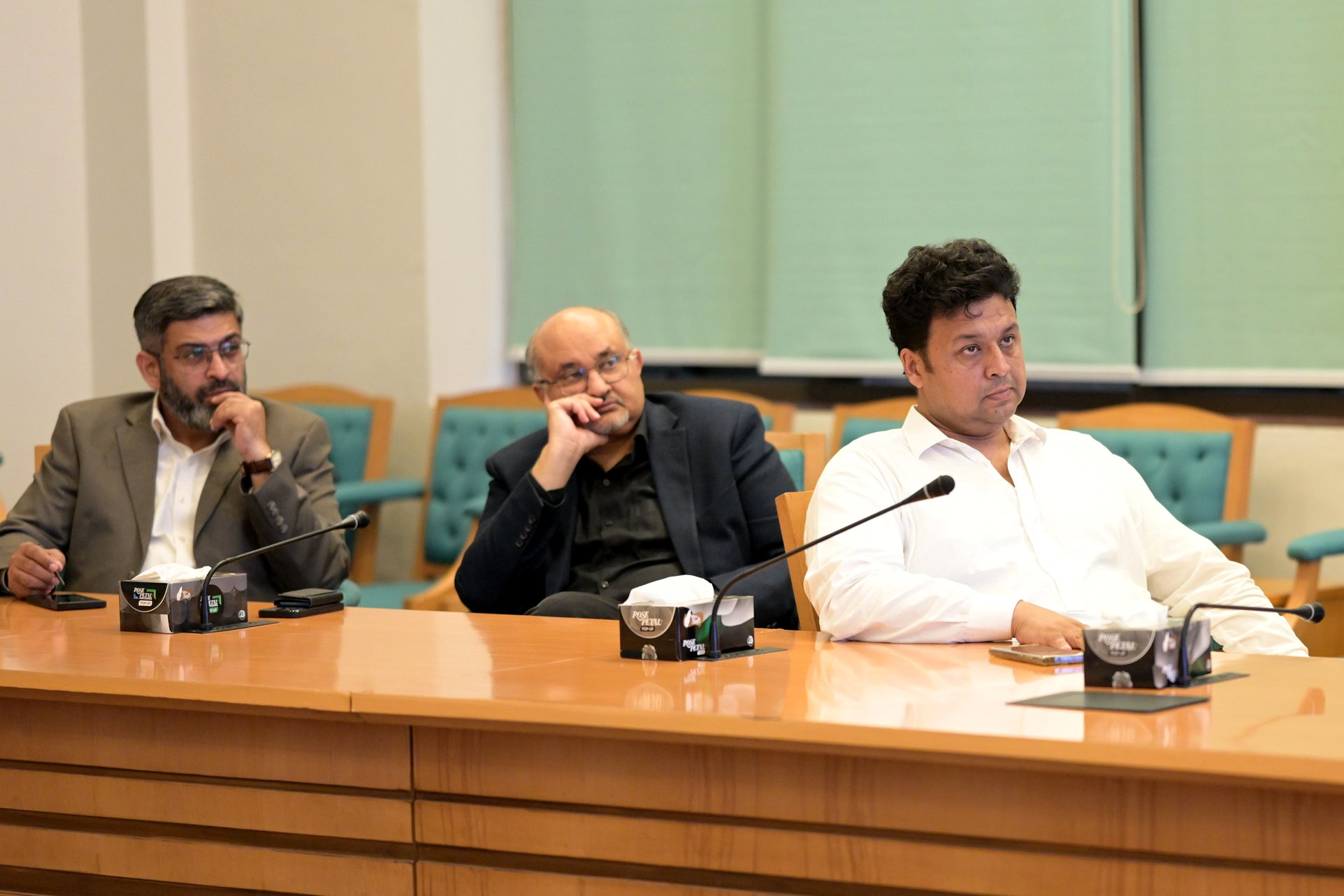
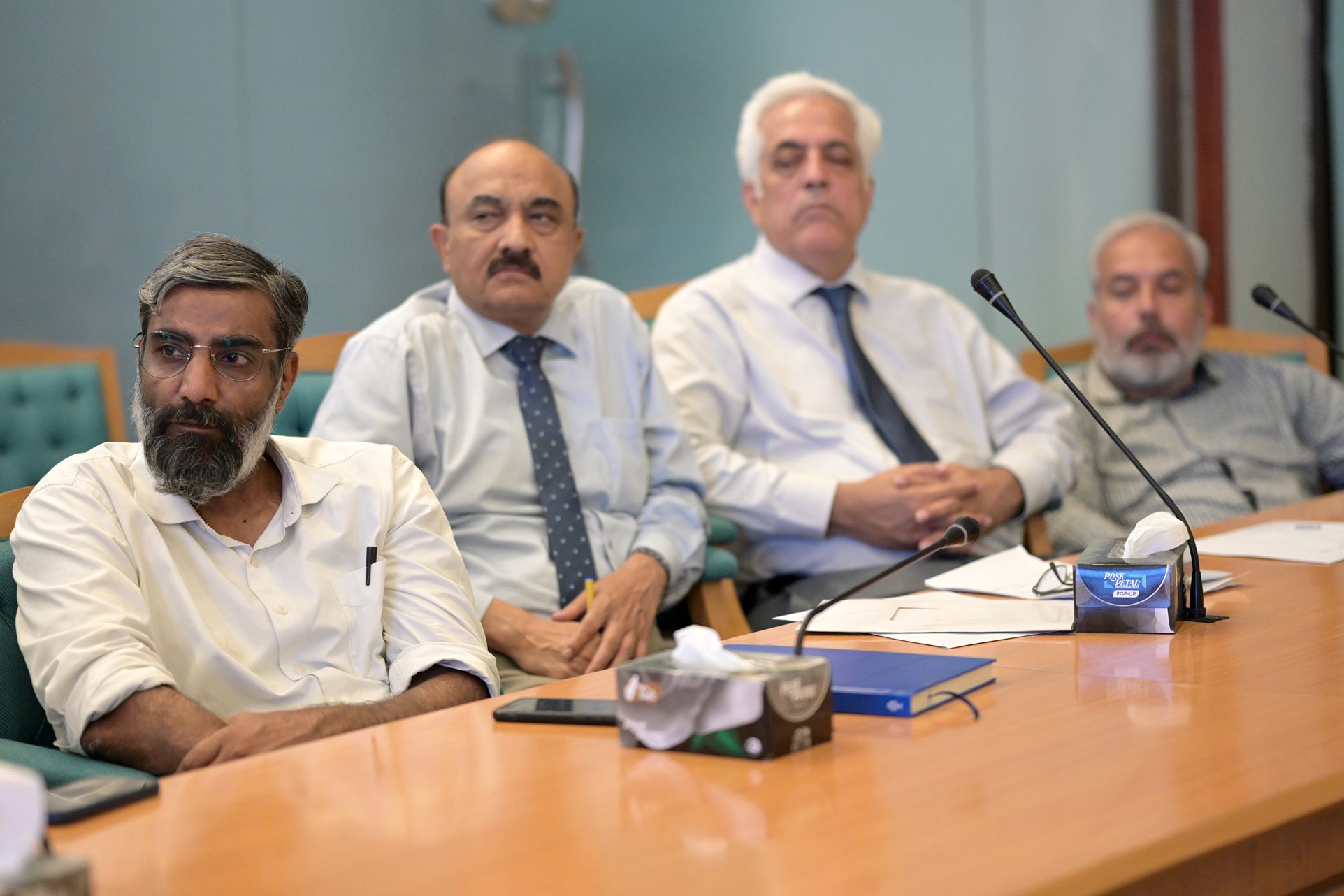
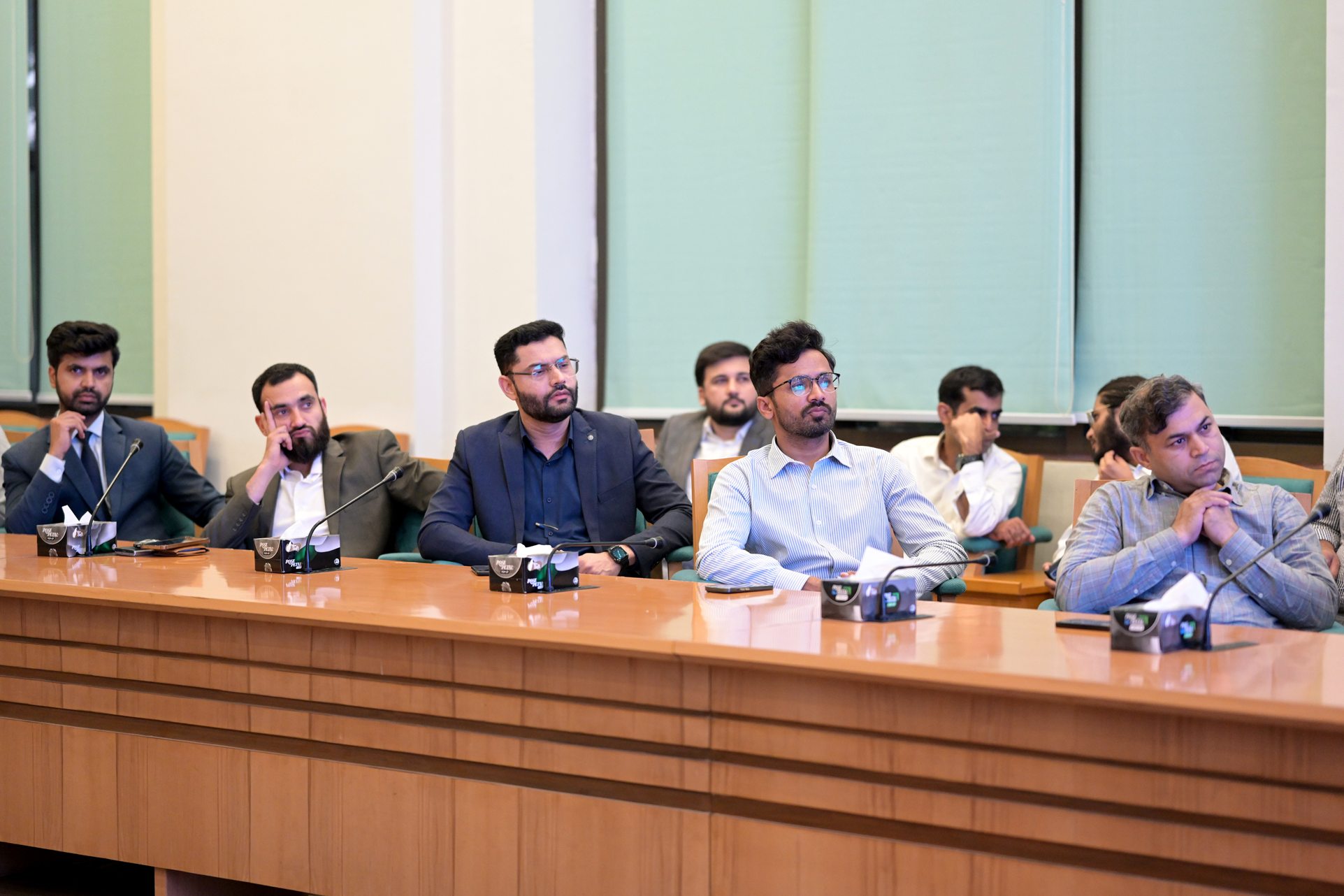
The two sessions were attended by university leaders, faculty members, students, practicing engineers, and representatives from government, defense, infrastructure, and engineering organizations.
Session 1: Eagle Eye Platform – Engineering with Insight
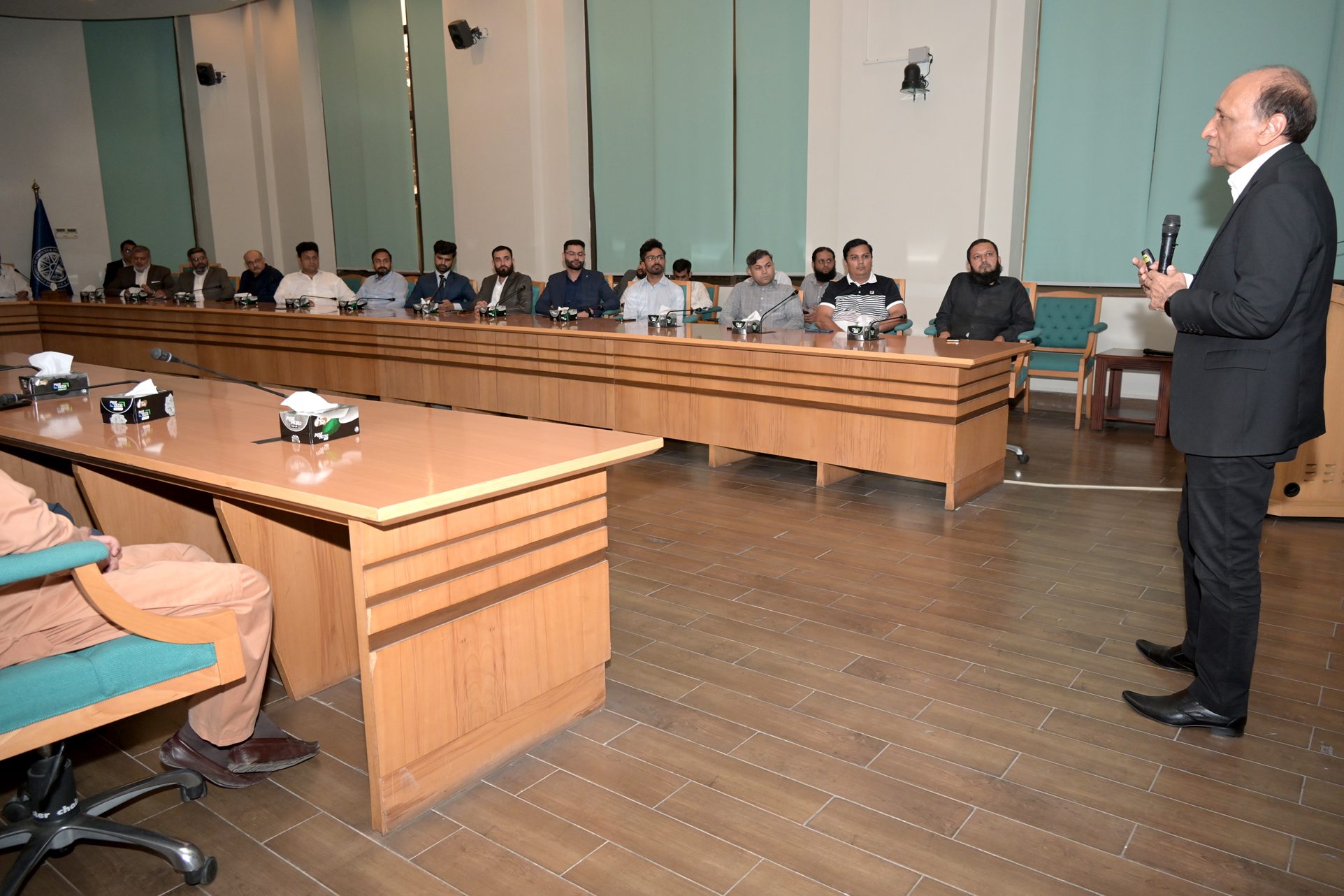
The program began with the Eagle Eye Platform: Engineering with Insight seminar, attended by more than 70 participants, including faculty members, students, practicing engineers, and industry professionals at the School of Civil and Environmental Engineering (SCEE), NUST.
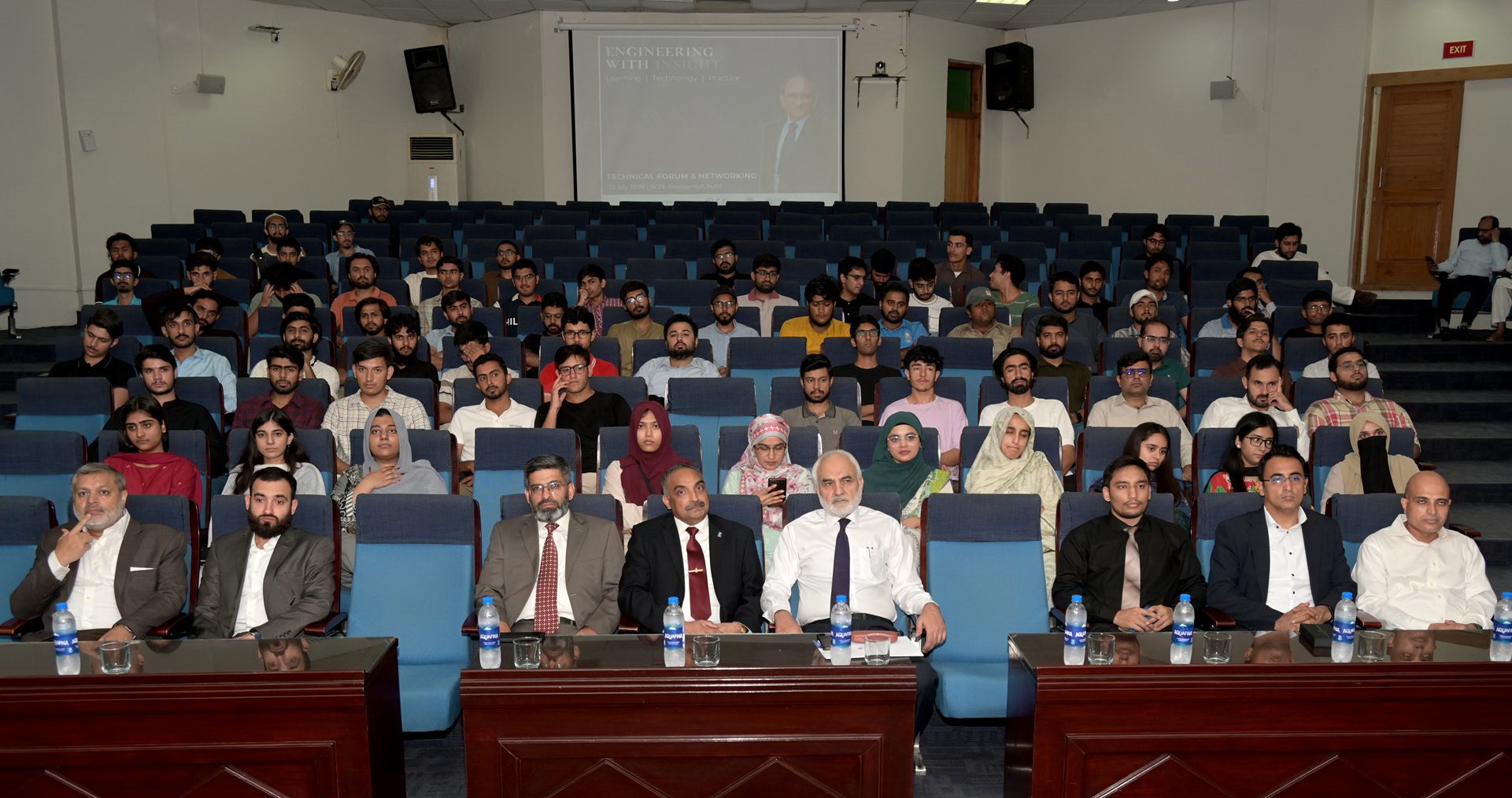
Following a recitation from the Holy Quran, participants were welcomed by Dr. Muhammad Irfan, the Principal and Dean of SCEE, while Prof. Dr. Muhammad Usman, the Head of the Structures Department highlighted the importance of connecting academic learning with practical engineering.
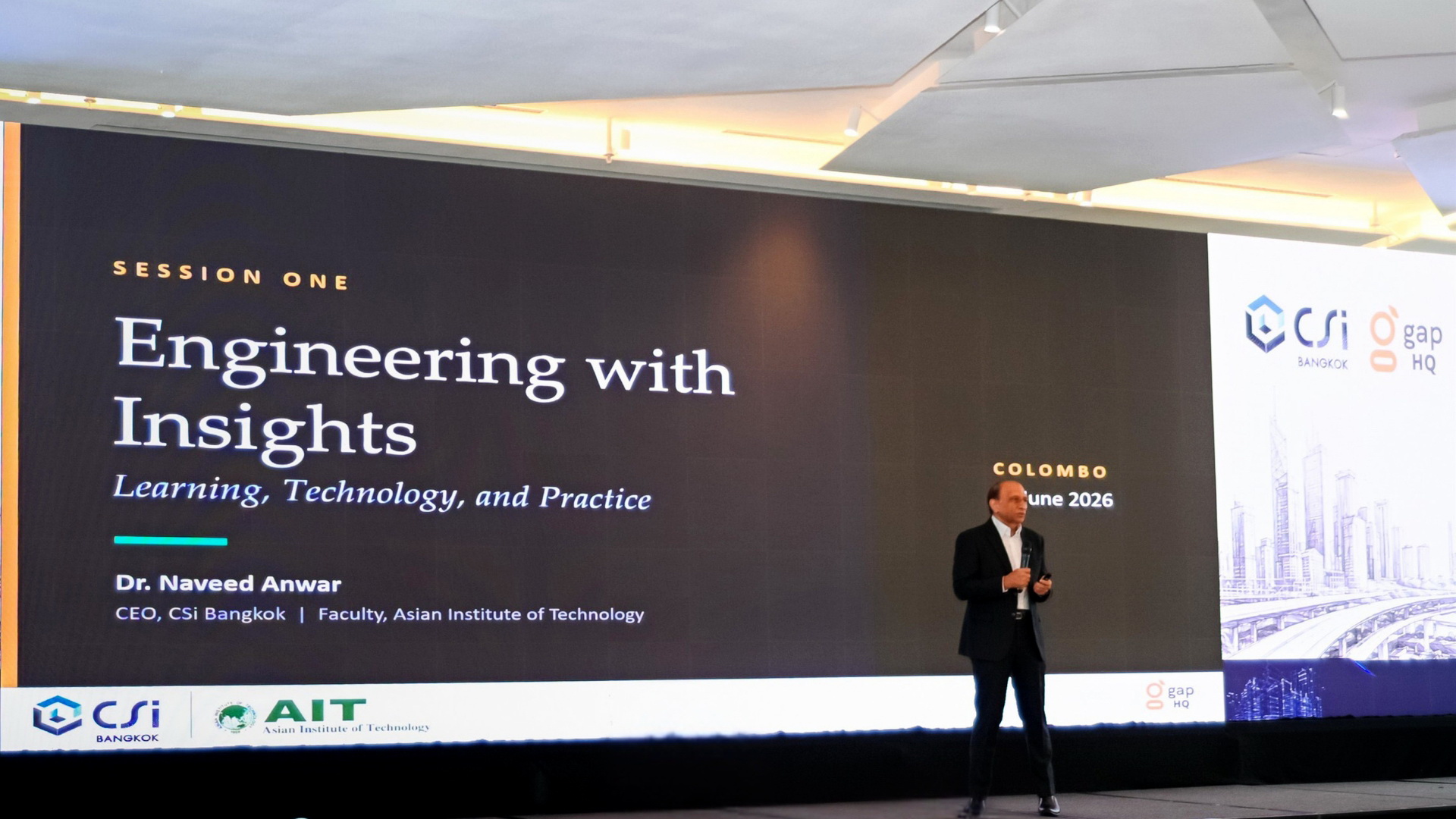
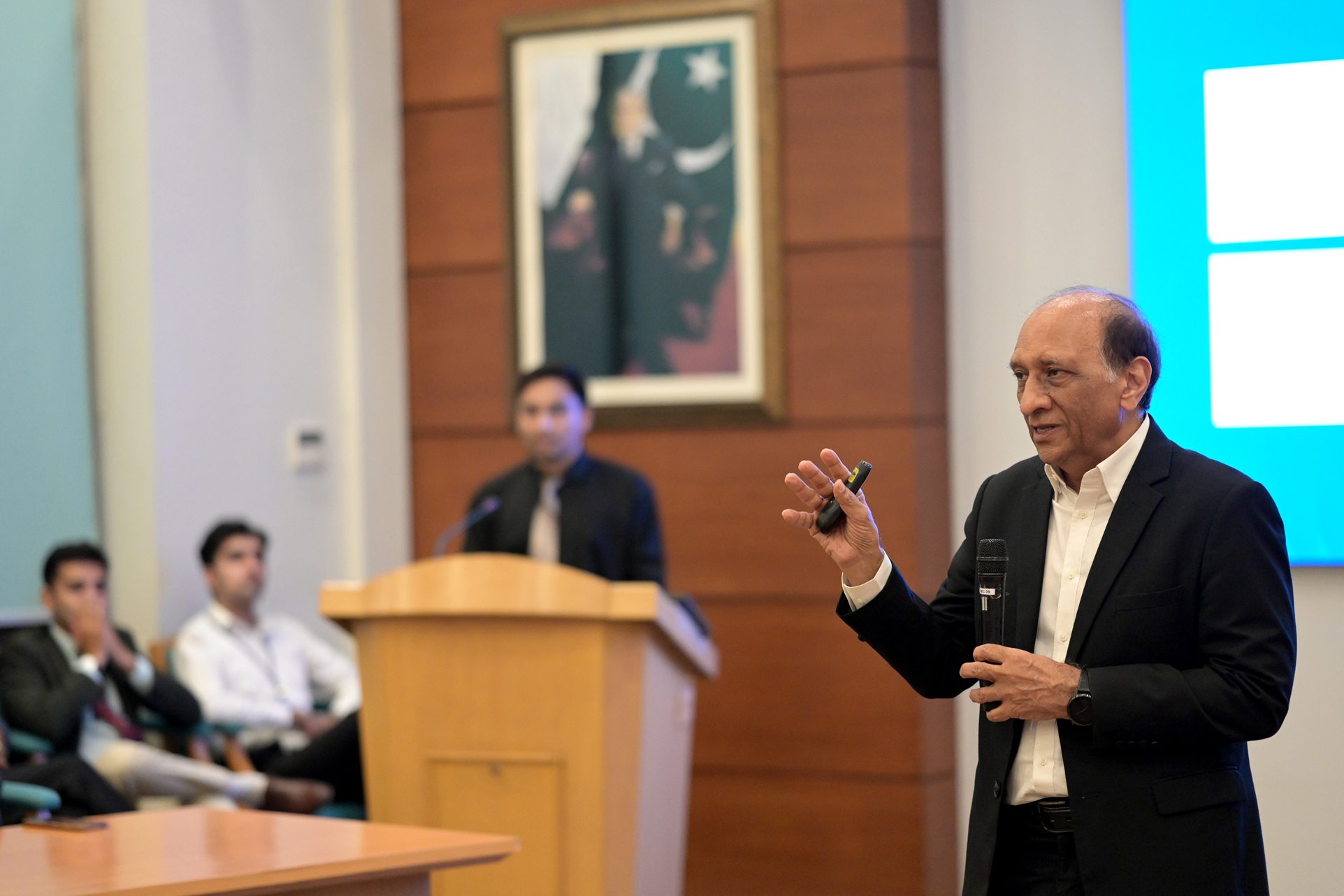
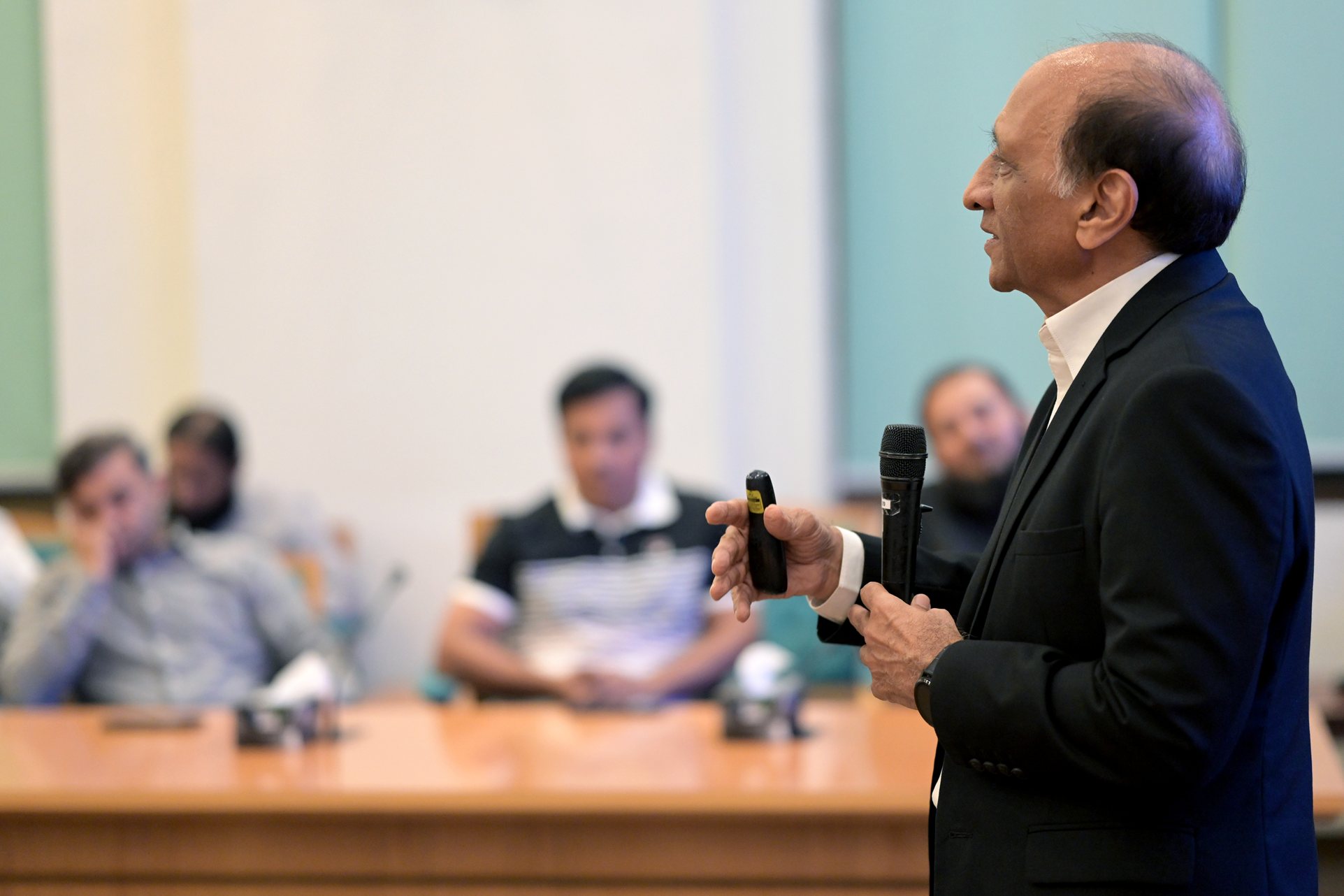
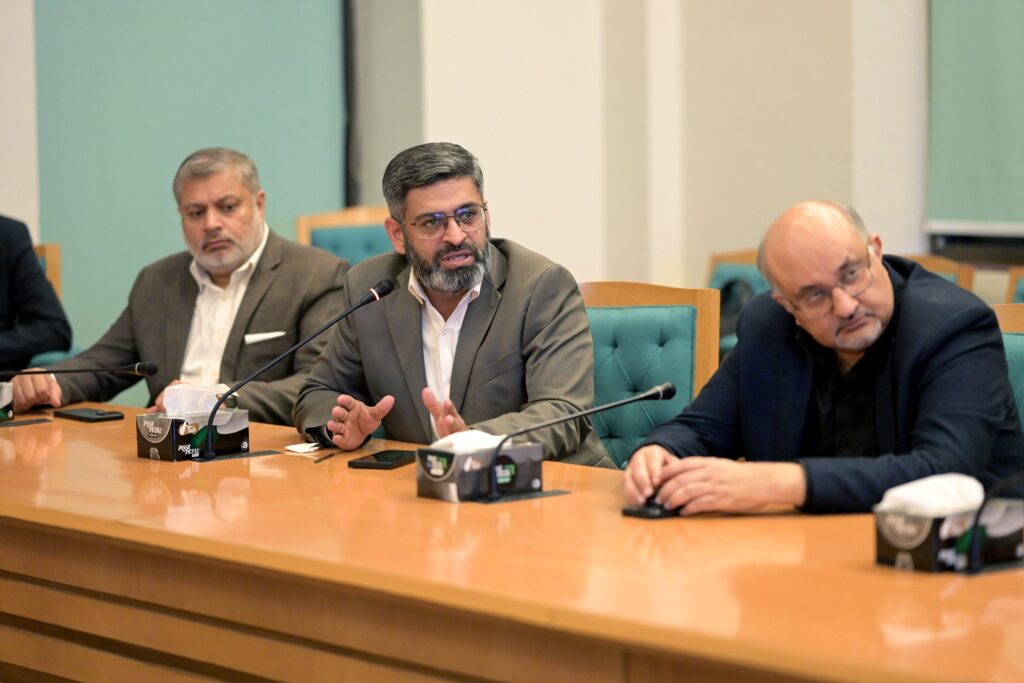
Dr. Naveed Anwar, CEO of CSI Bangkok, then delivered a keynote on Engineering with Insight in which he explained that engineering is about more than simply knowing how to operate software. He emphasized the importance of understanding the assumptions, calculations, analytical procedures, and design principles behind engineering software to interpret results confidently. He also highlighted the need to connect classroom learning with professional engineering practice.
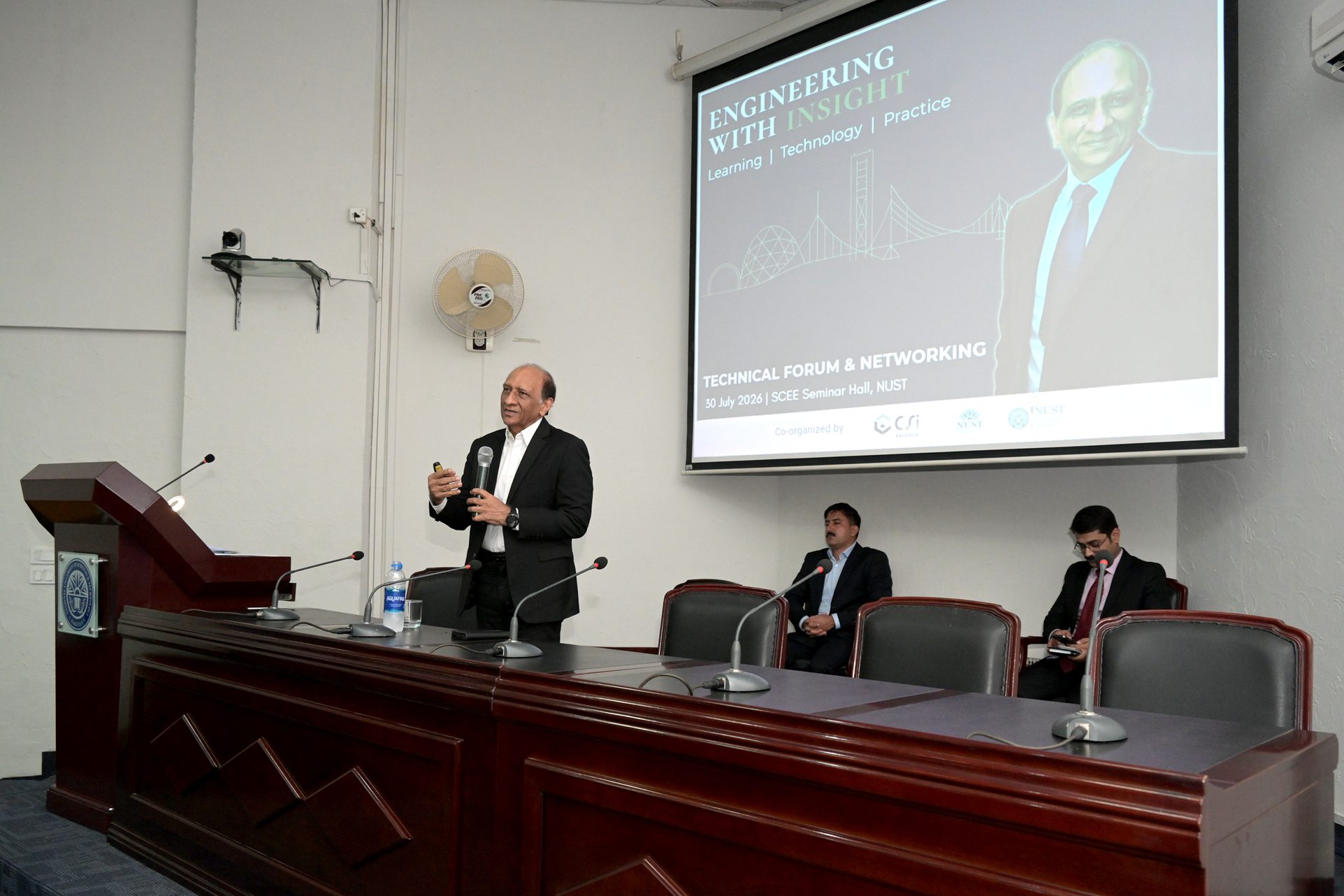
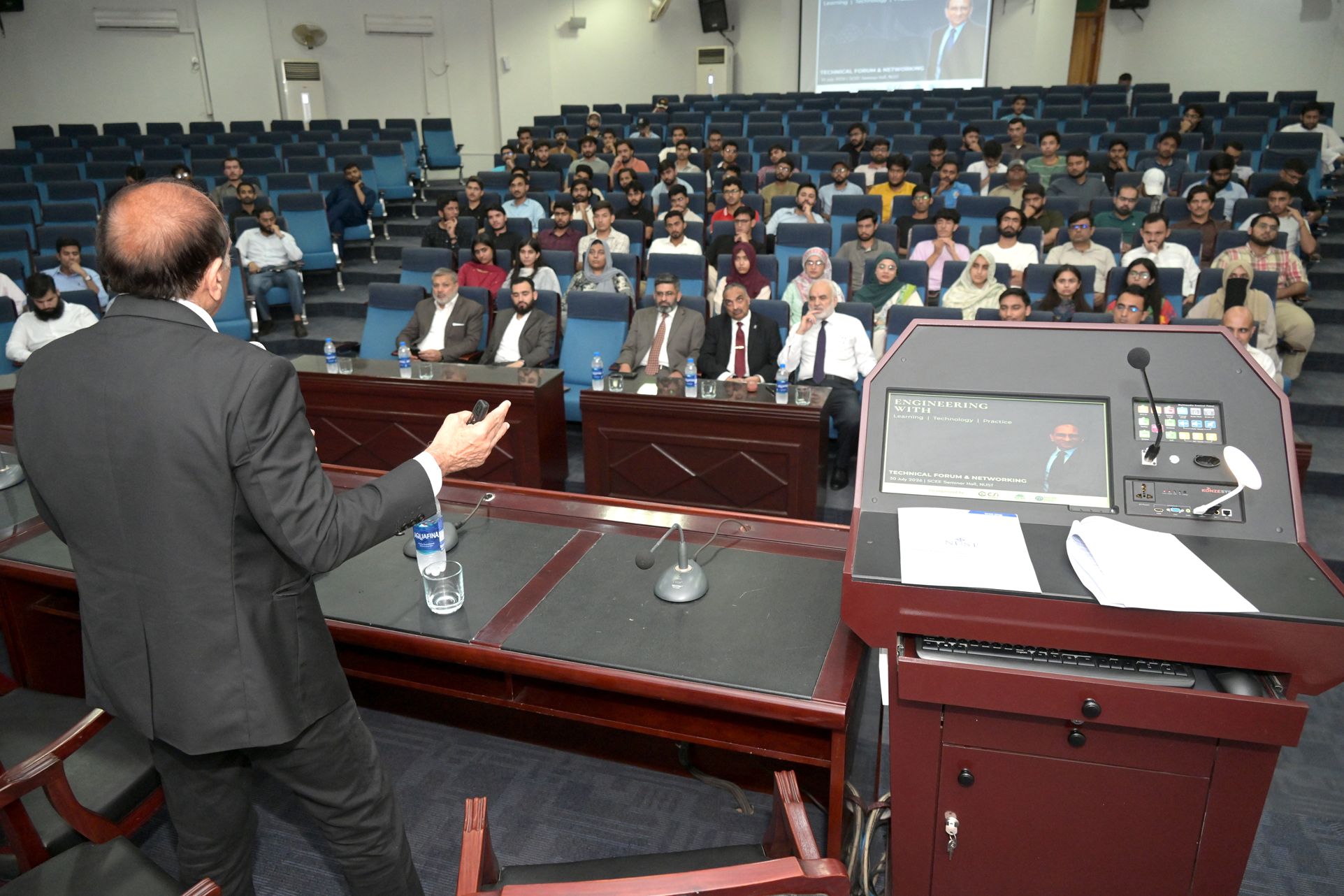
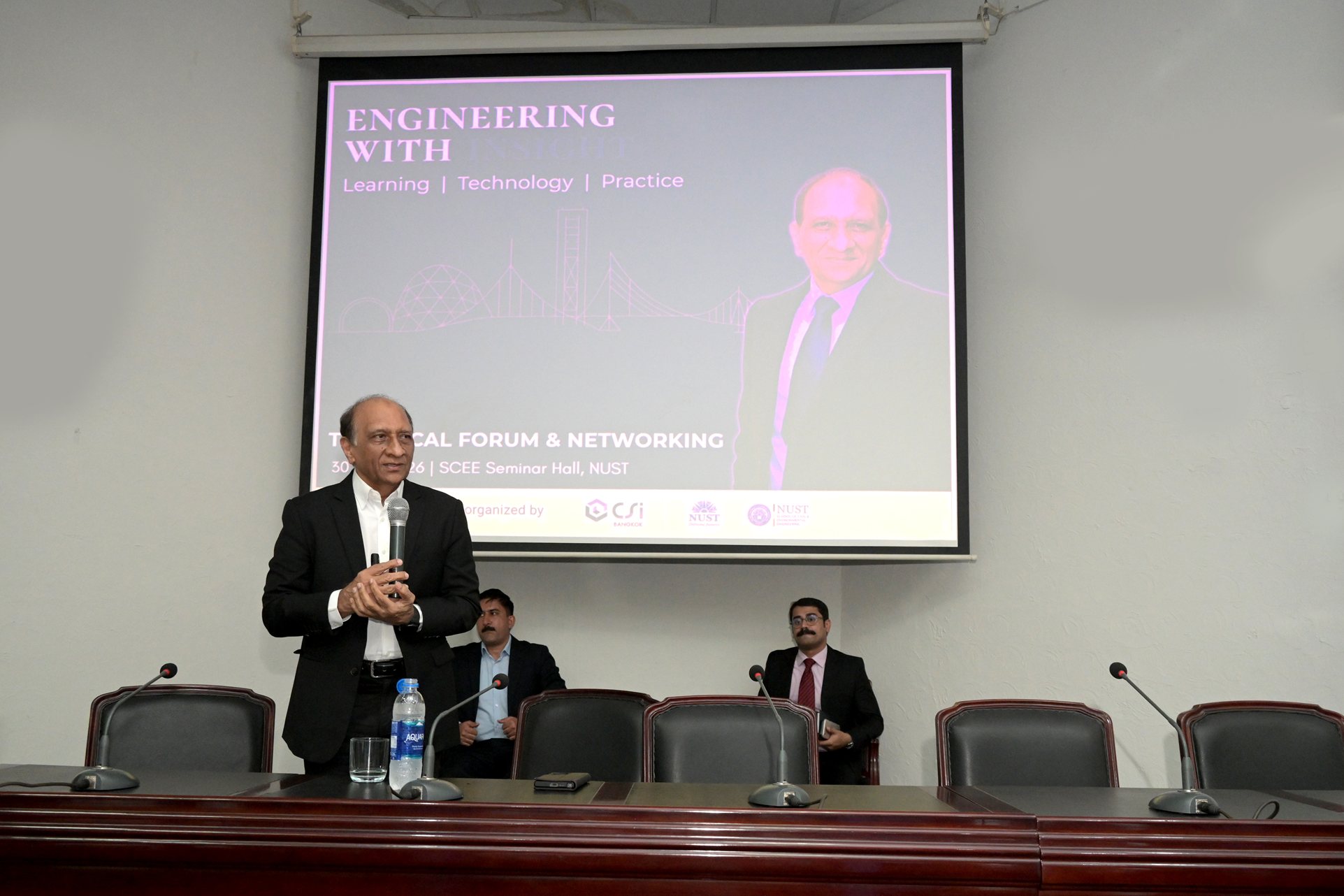
The session continued with a live demonstration of the Eagle Eye Platform. Dr. Naveed guided participants through structural engineering concepts, practical applications, and engineering workflows. He showed how engineers can explore structural behavior, follow calculations, and understand how software-generated results are produced. The demonstration also highlighted how the platform can support classroom teaching, professional training, and independent learning.
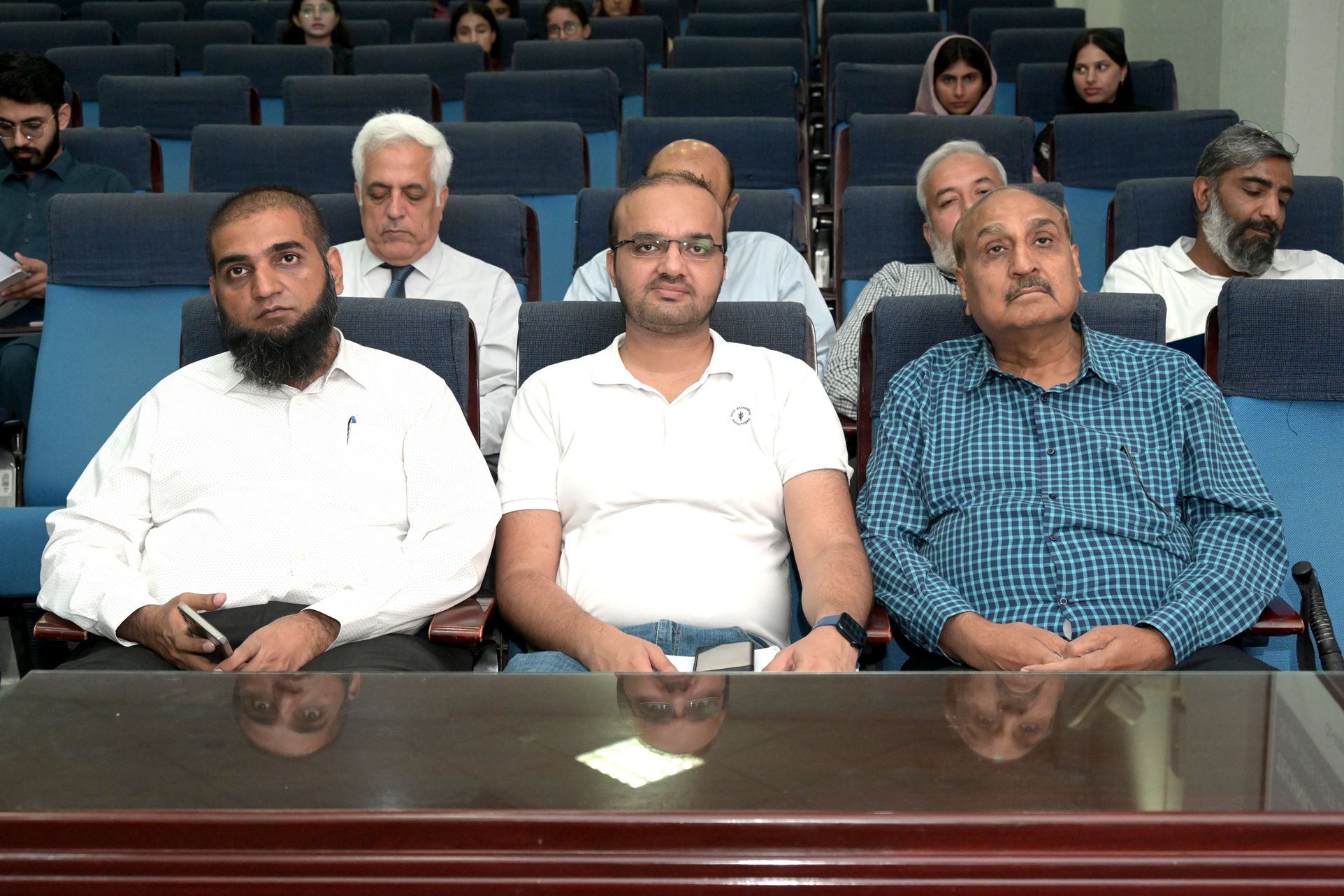
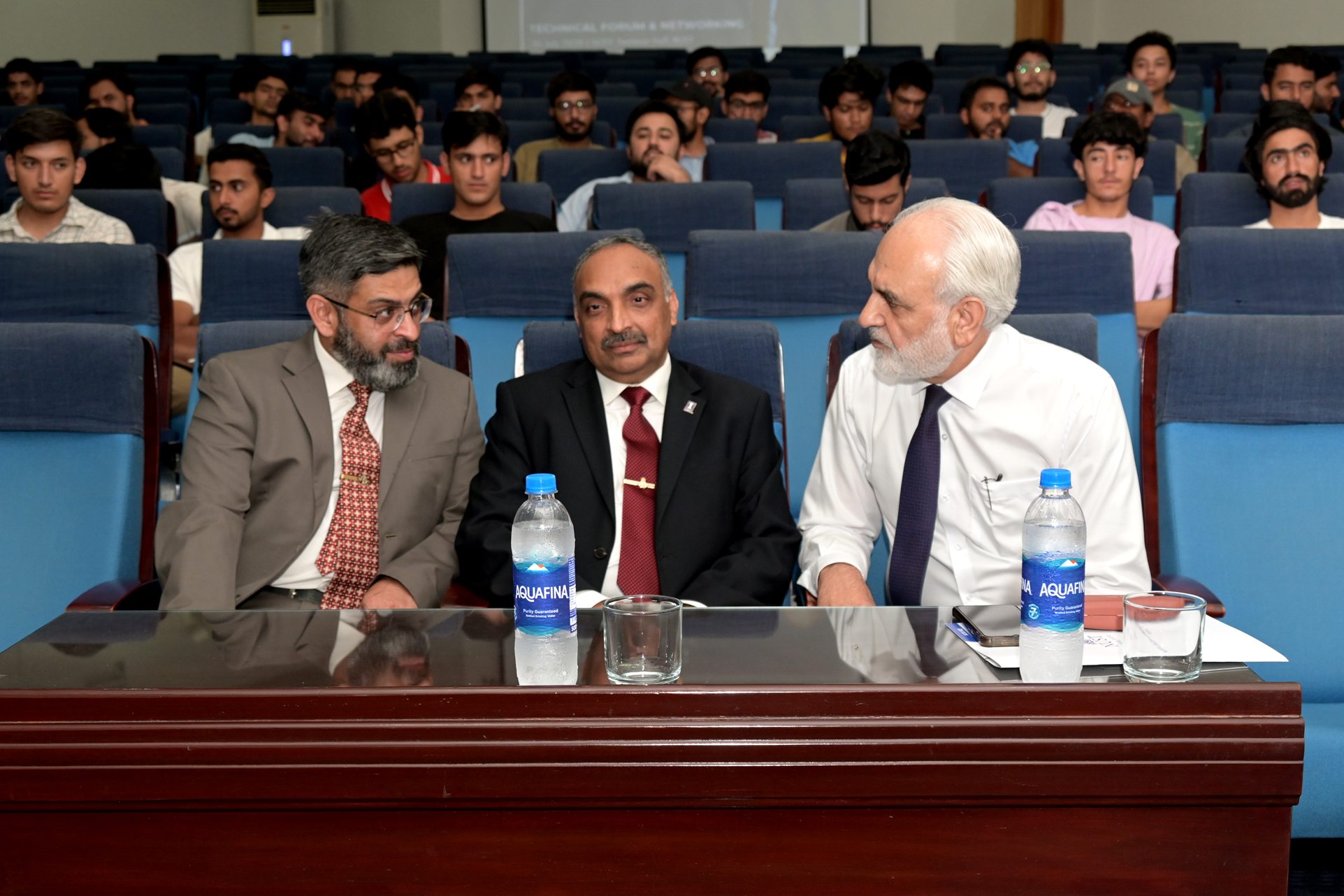
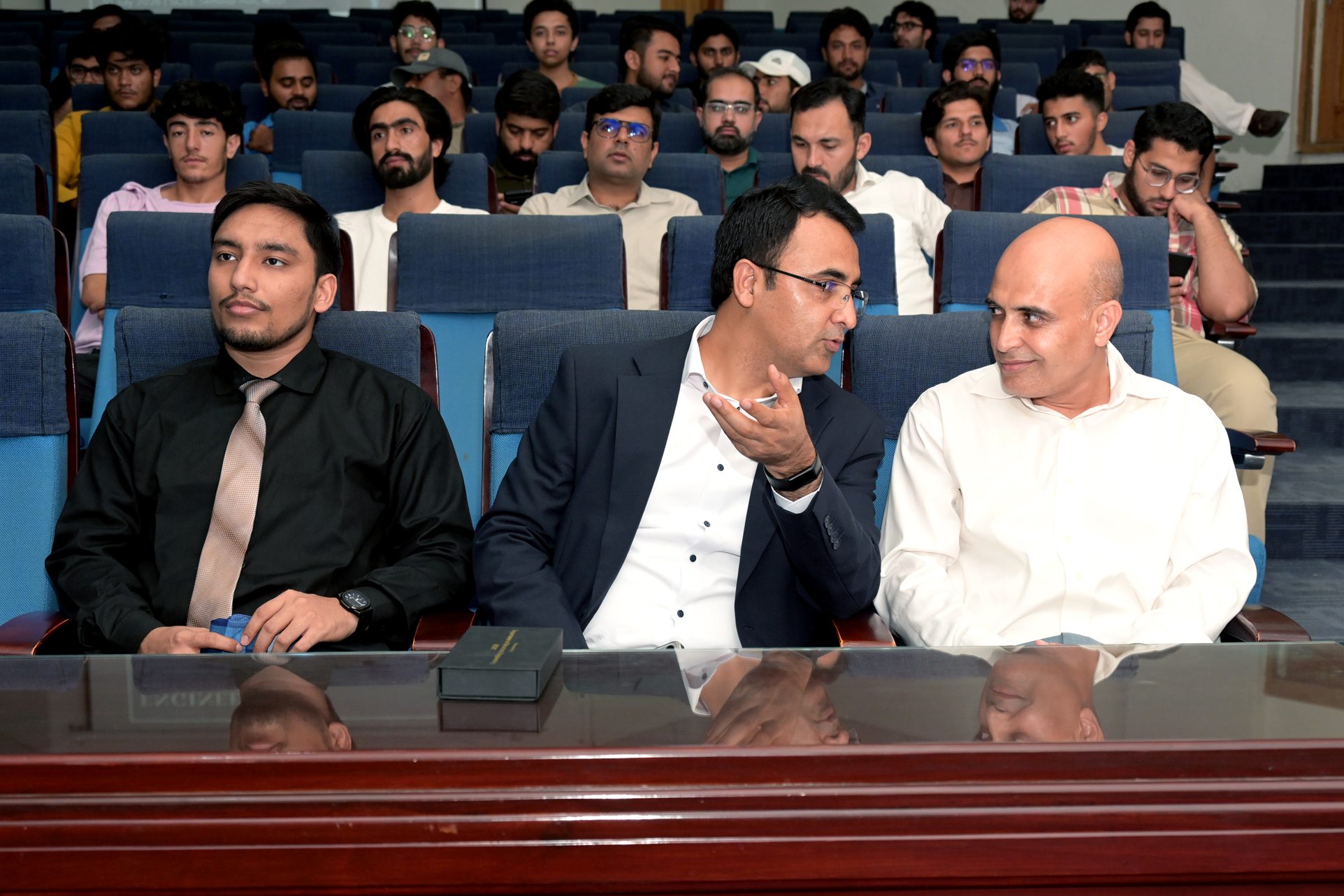
The seminar concluded with an engaging Q&A session covering structural analysis, reinforced concrete behavior, soil structure interaction, and practical engineering applications. Participants showed strong interest in the platform’s potential to support modern engineering education, particularly in helping students strengthen their understanding of engineering principles while preparing them for professional practice.
The session ended with certificate presentations and light refreshments.
Session 2: Future Directions in Bridge Engineering
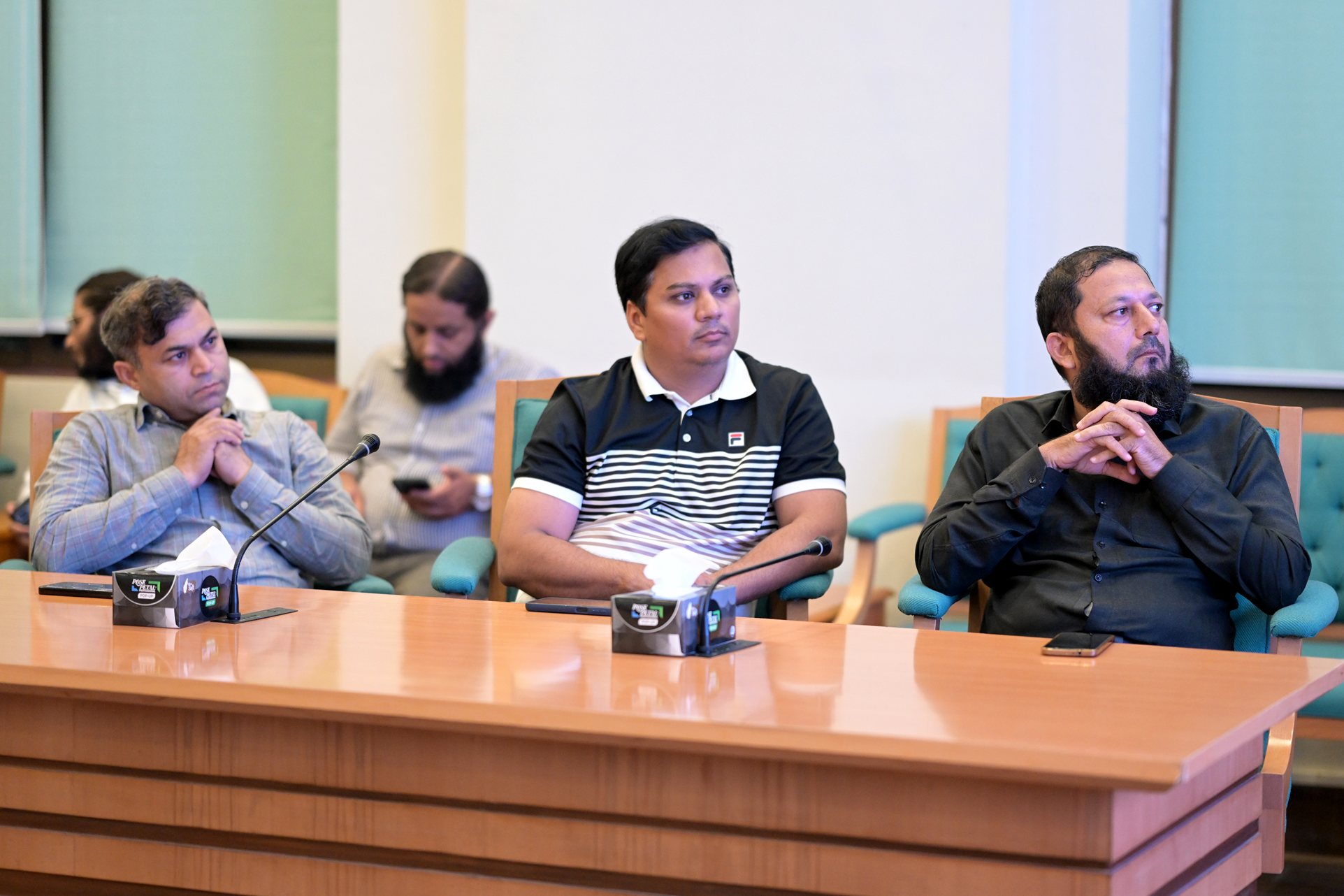
The evening program continued with the public lecture Future Directions in Bridge Engineering: Planning, Design, Construction, and Management. The session welcomed 39 representatives from 24 organizations including universities, government agencies, the defense sector, infrastructure authorities, engineering consultancies, and academic institutions.
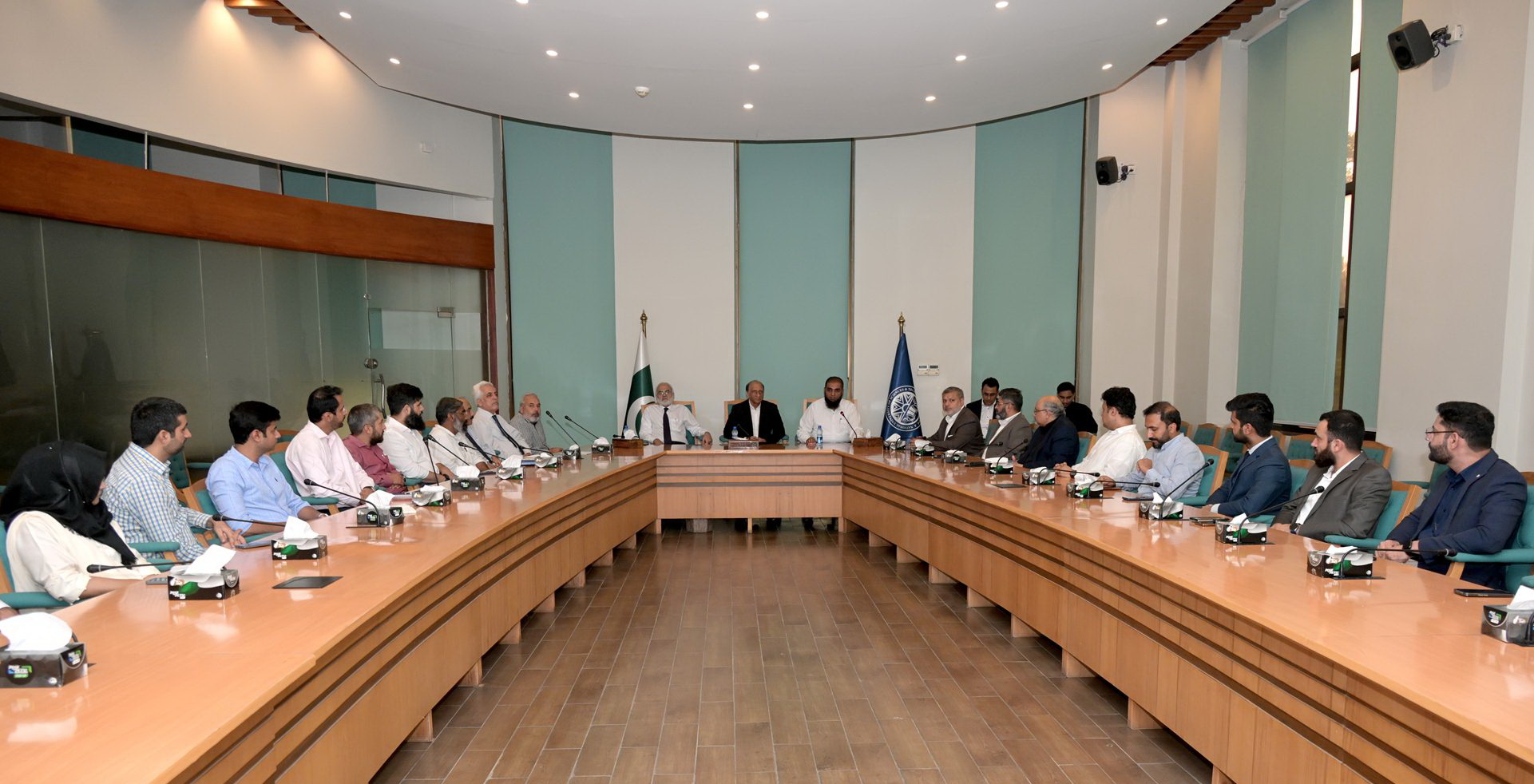
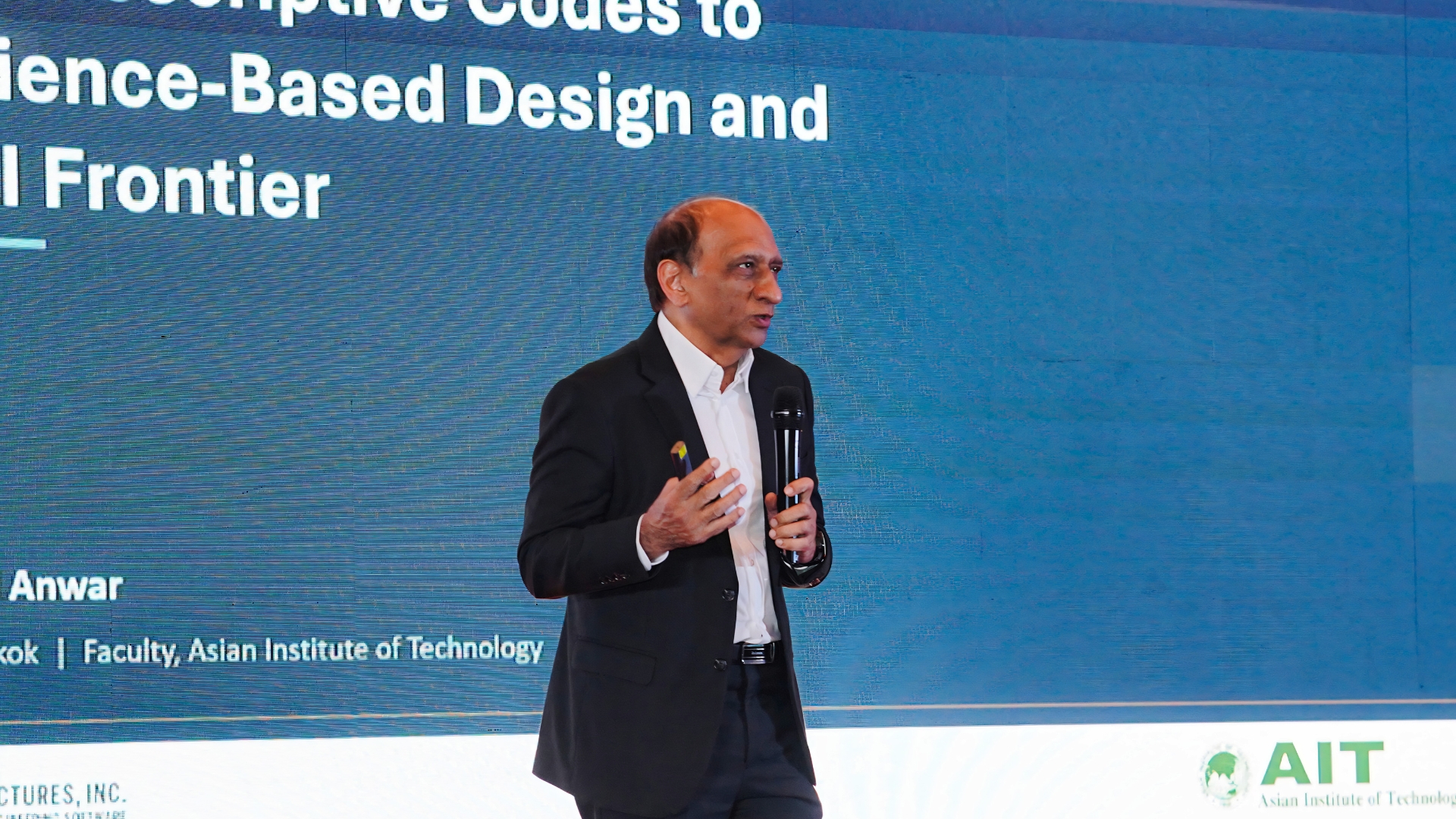
The session focused on how digital engineering is shaping bridge infrastructure planning, delivery, and long-term management. During the presentation, Dr. Naveed introduced CSI Bangkok’s Bridge Express software for bridge engineering and infrastructure management. He demonstrated how engineers can manage each stage of a bridge project within a single digital workflow, making it easier for teams to share information and coordinate their work.
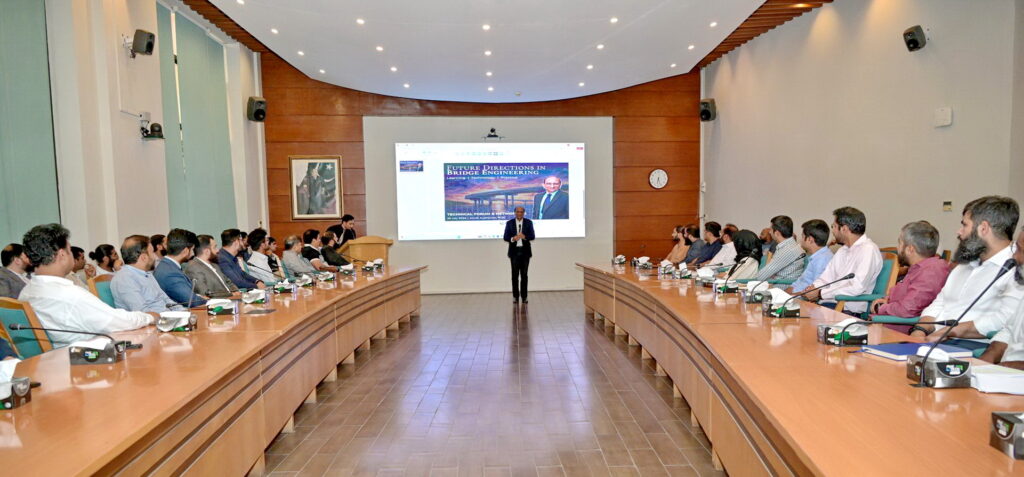
Dr. Naveed also discussed how integrated digital platforms can enhance the day-to-day management of bridge infrastructure by bringing engineering information together in one place. Having engineering information in one place makes it easier for infrastructure authorities to monitor asset conditions, coordinate engineering activities, and make informed decisions throughout the bridge lifecycle.
The discussion that followed focused on the practical implementation of these technologies within existing bridge inspection procedures and infrastructure management practices. Participants asked questions about how integrated digital workflows could strengthen collaboration, improve engineering decision-making, and support more effective long-term bridge management.
The visit concluded with a networking dinner, where conversations continued around bridge engineering, digital transformation, research collaboration, engineering education, and opportunities for future cooperation.
The two sessions gave students, educators, and industry professionals an opportunity to soak in new knowledge, explore new technologies, and realize the potential of practical applications in structural engineering.
Advancing Structural Engineering Across in Pakistan and the Region
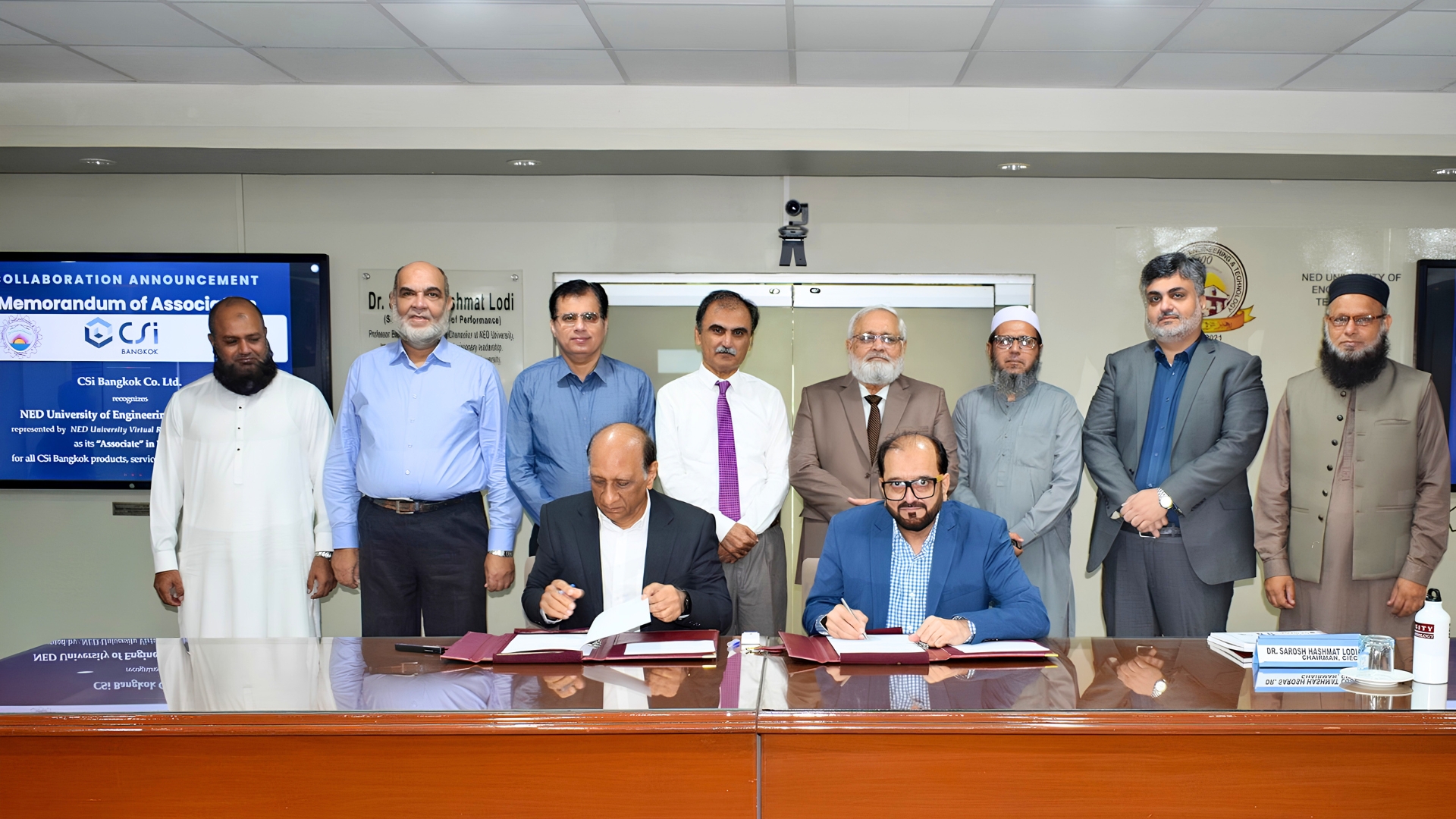
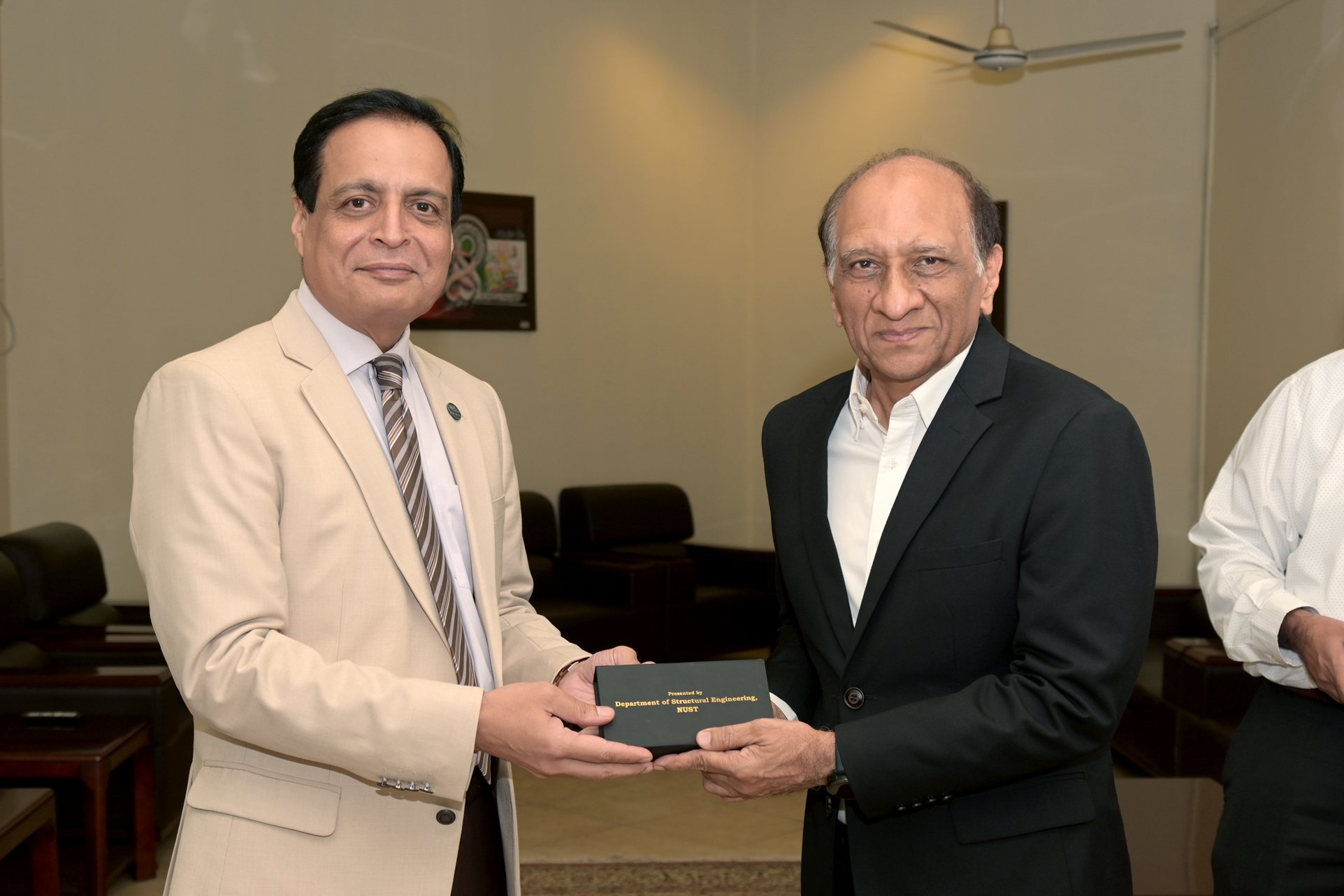
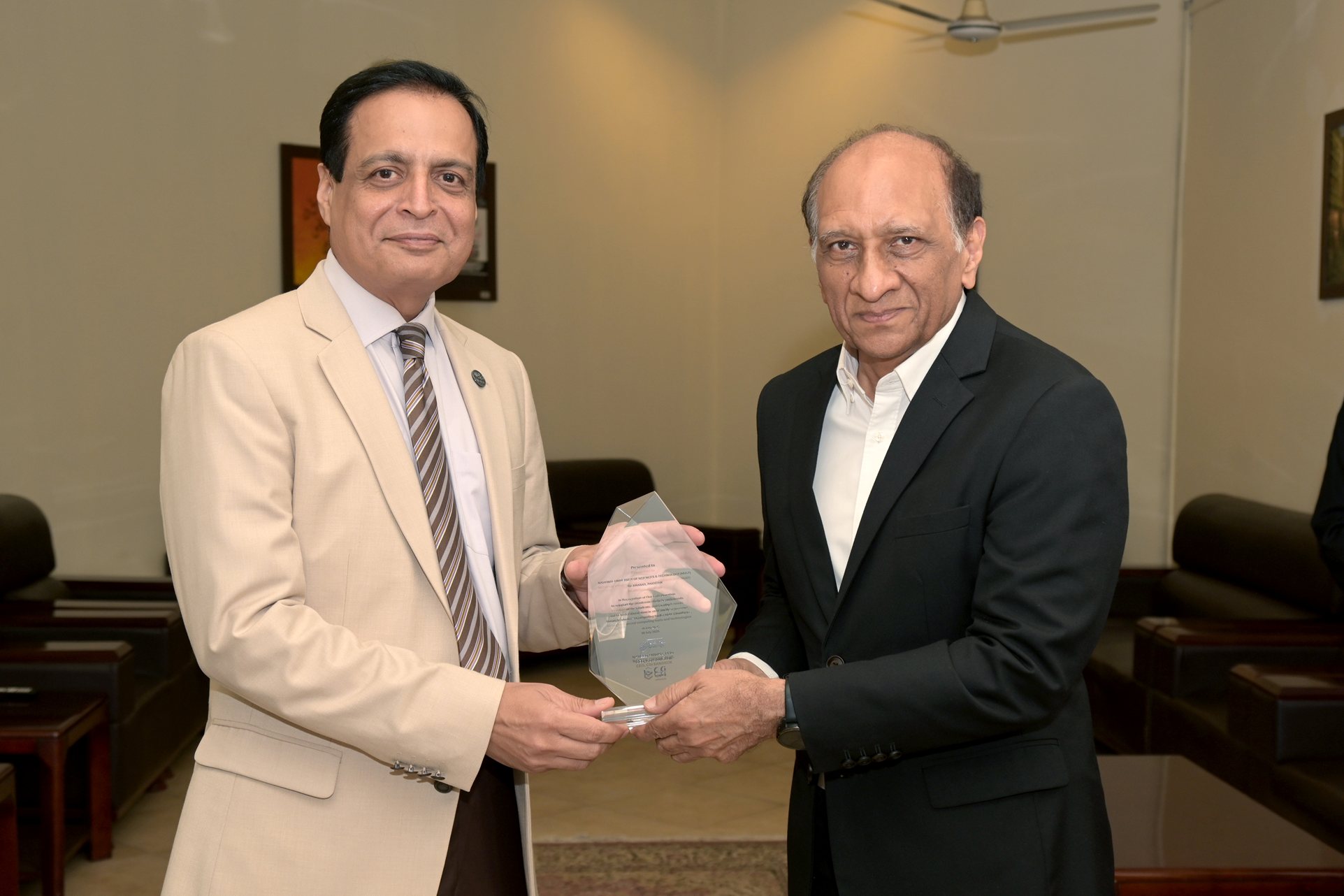
Dr. Naveed Anwar and Dr. Muhammad Irfan exchanged commemorative mementos, marking the successful collaboration and their shared commitment to future initiatives in Pakistan.
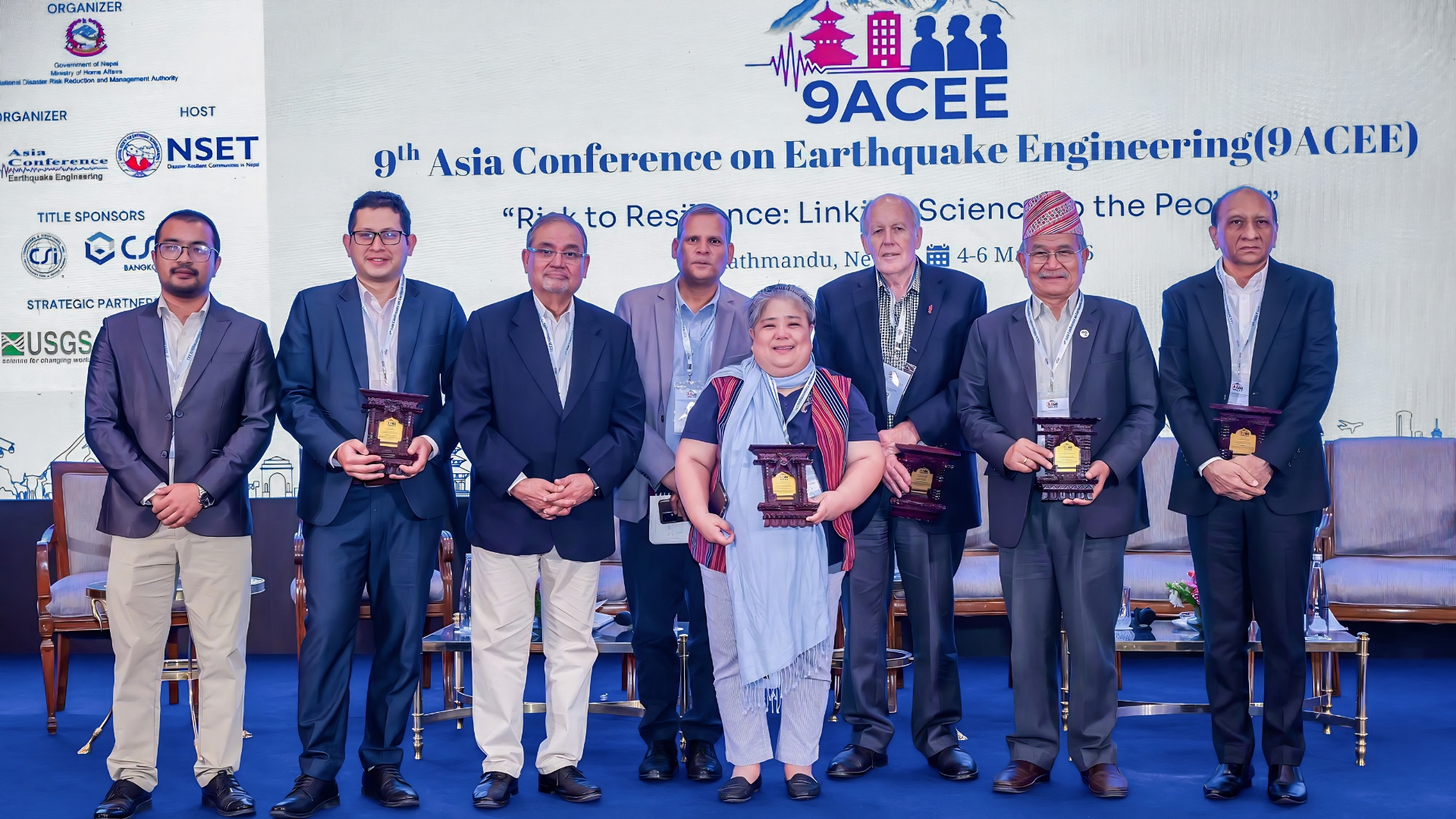
This event in partnership with NUST was part of a wider series of seminars and forums organized by CSI Bangkok across the region including Sri Lanka, the Philippines, and Nepal. It also reflects CSI Bangkok’s continuing mission to advance structural engineering through education, technology, professional development, and collaborations.
Related news: CSI Bangkok Launches Office at NUST Science Park