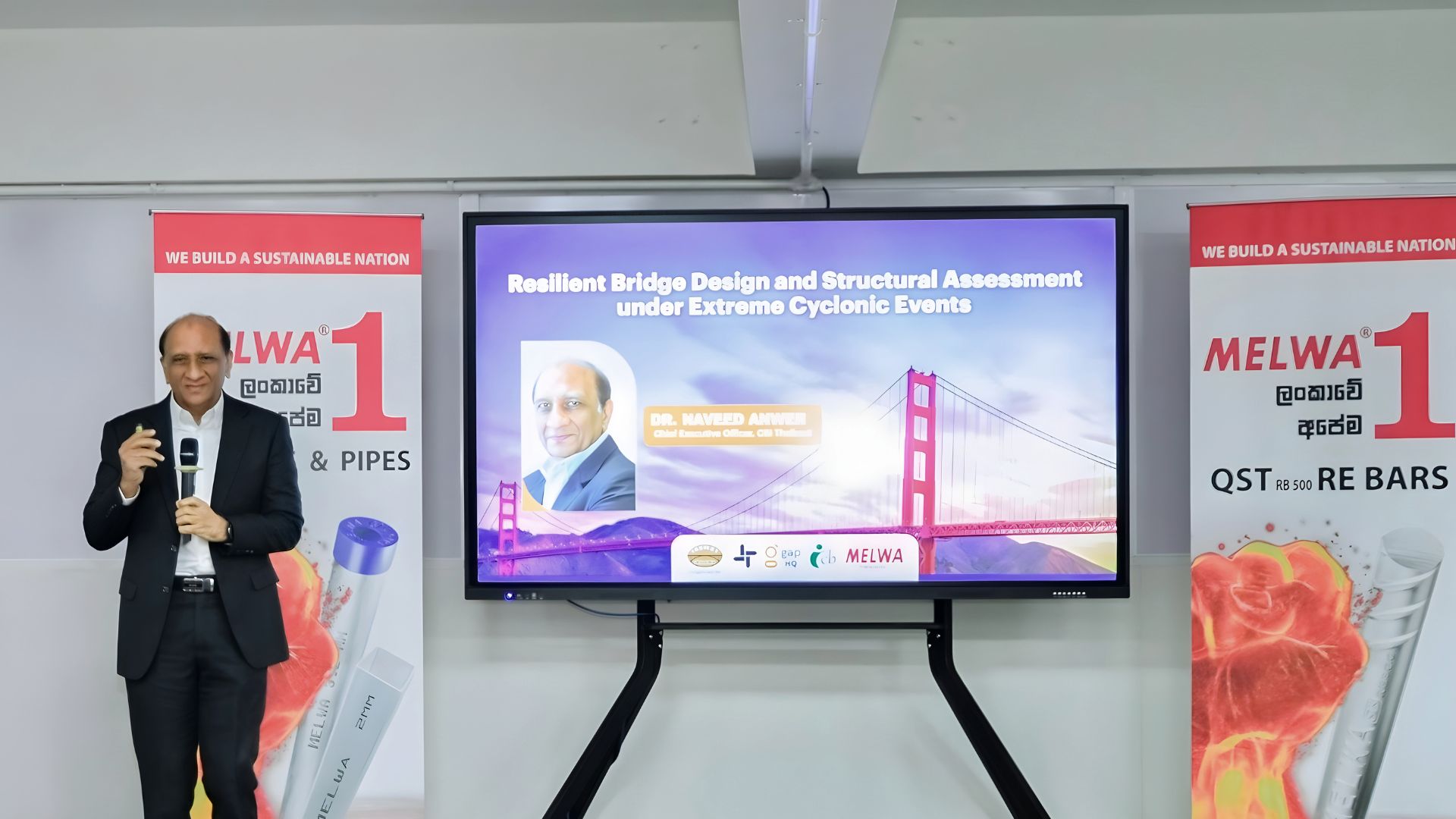
IABMAS Sri Lanka Technical Seminar • gapHQ, Colombo 07 • February 28, 2026
Organized by IABMAS Sri Lanka, powered by Melwa
IABMAS Sri Lanka, in collaboration with gapHQ and supported by Melwa, organized a technical seminar on bridge resilience design and structural assessment under extreme cyclonic events at gapHQ in Colombo.
The seminar brought together bridge engineers, academics, and government professionals to exchange technical insights on how bridge infrastructure can better withstand severe climate-related hazards, including extreme wind loads, flooding, and scour.
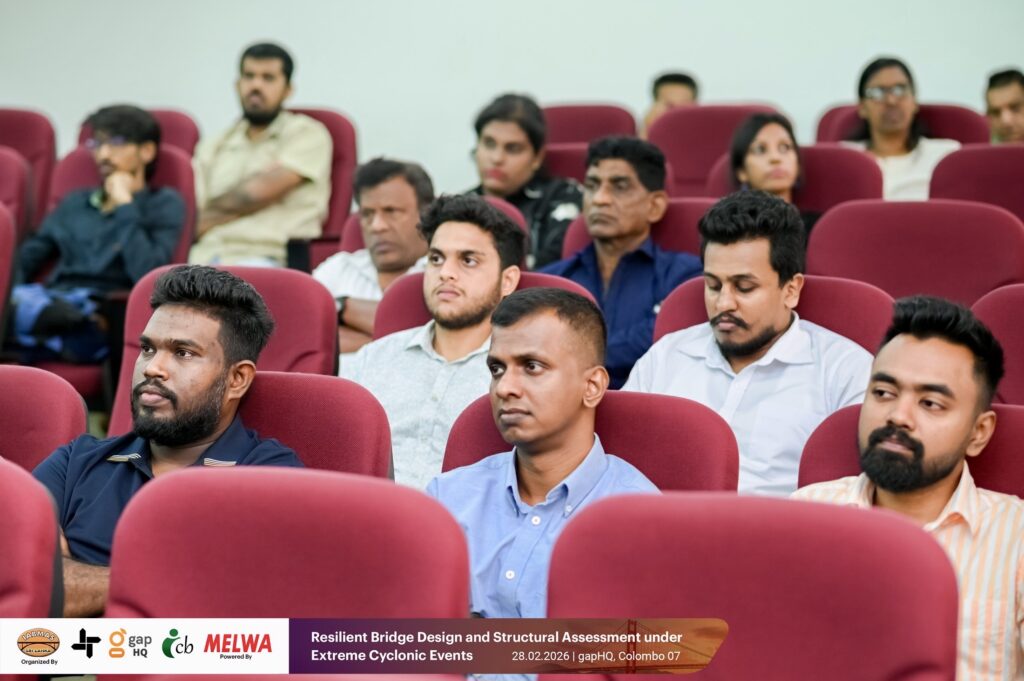
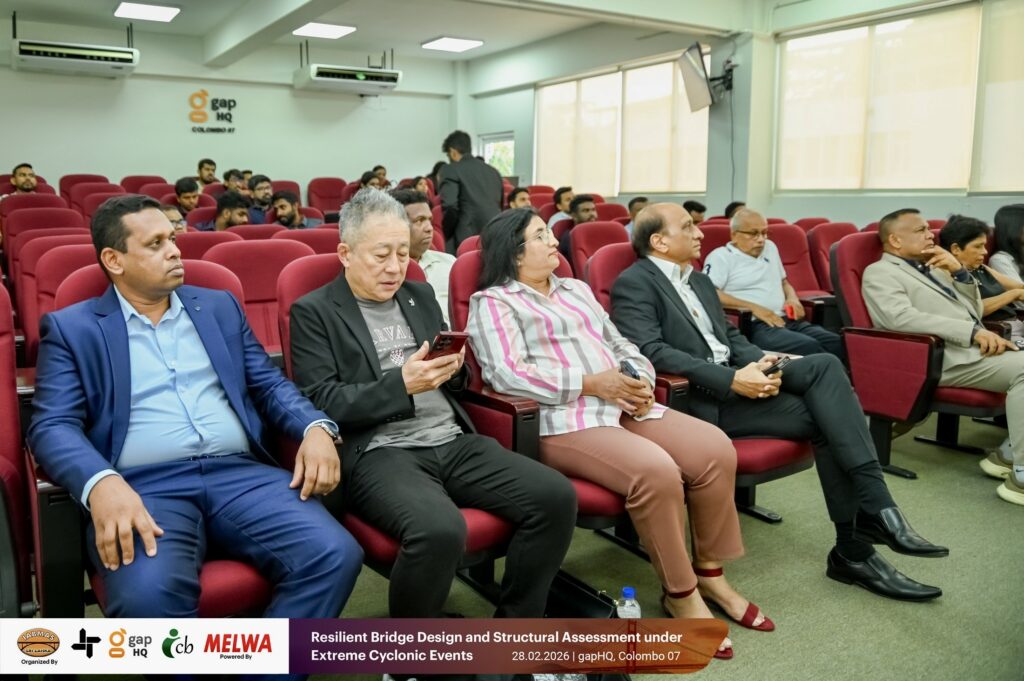
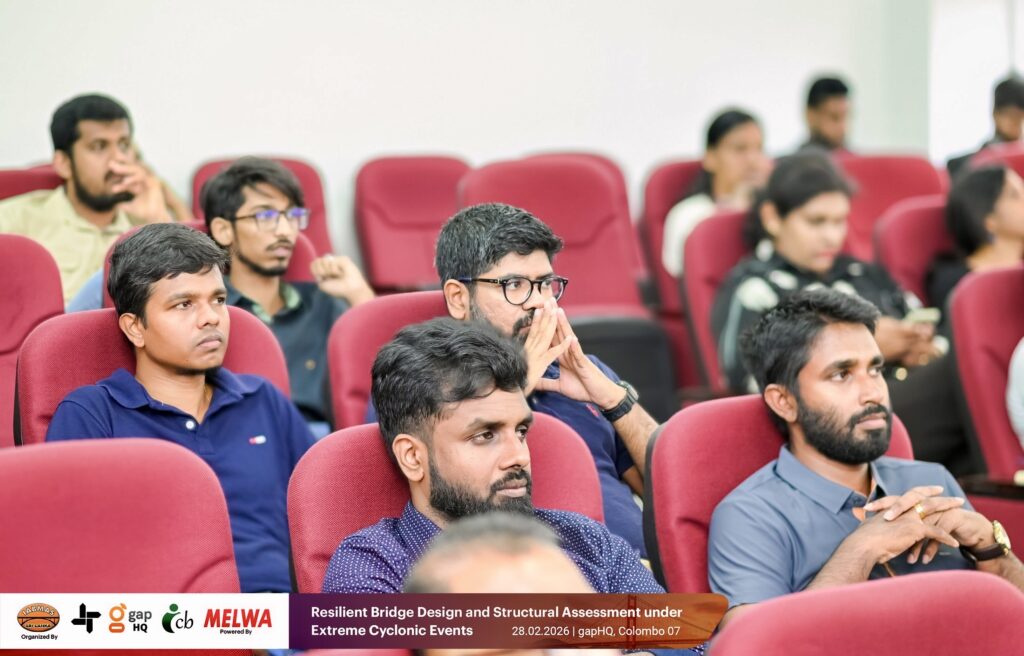
Technical Exchange on Bridge Resilience
The session was intended to facilitate technical discussion on resilient bridge design, performance-based engineering methodologies, and risk mitigation strategies for infrastructure exposed to extreme weather conditions.
Speakers
The program featured three speakers representing academic, government, and engineering perspectives.
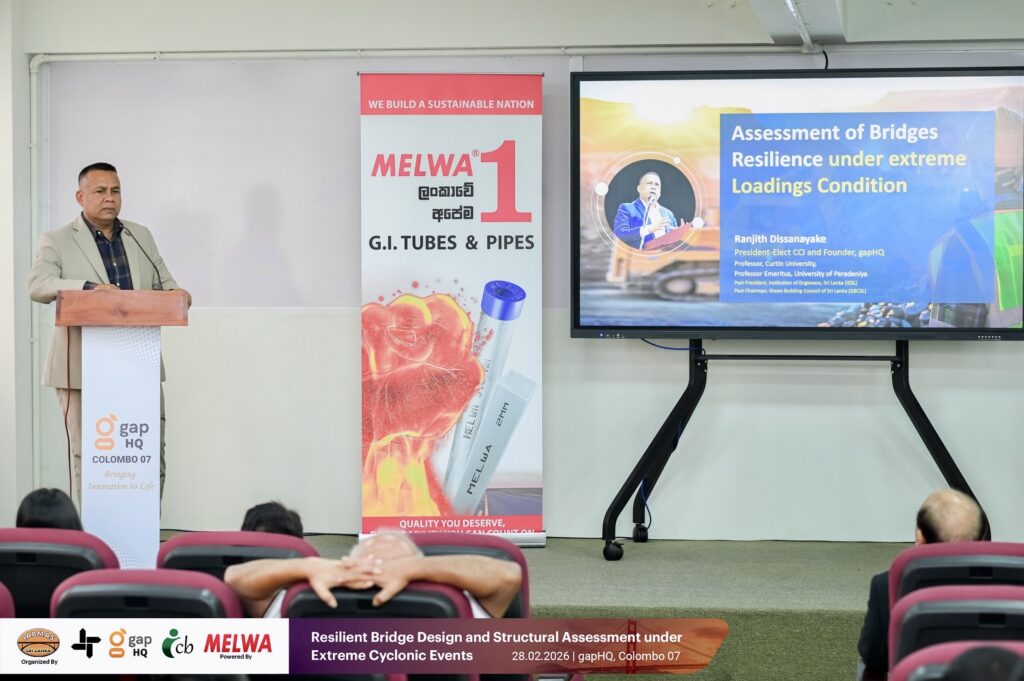
Prof. Ranjith Dissanayake, Founder of gapHQ and President of IABMAS Sri Lanka, presented field observations and damage assessments from recent cyclonic events, highlighting lessons learned from bridge performance under extreme conditions.
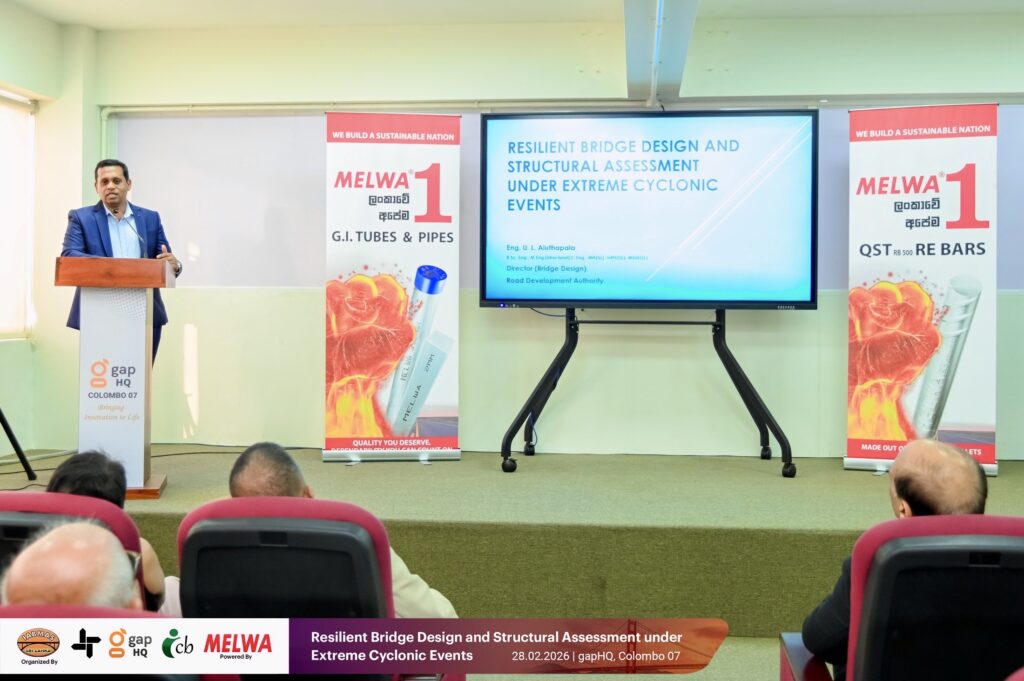
Eng. Umesh Aluthapala, Director of Bridge Design at the Road Development Authority, provided the government perspective on bridge infrastructure management, discussing operational challenges and strategies for maintaining bridge safety during severe weather events.
Keynote Address
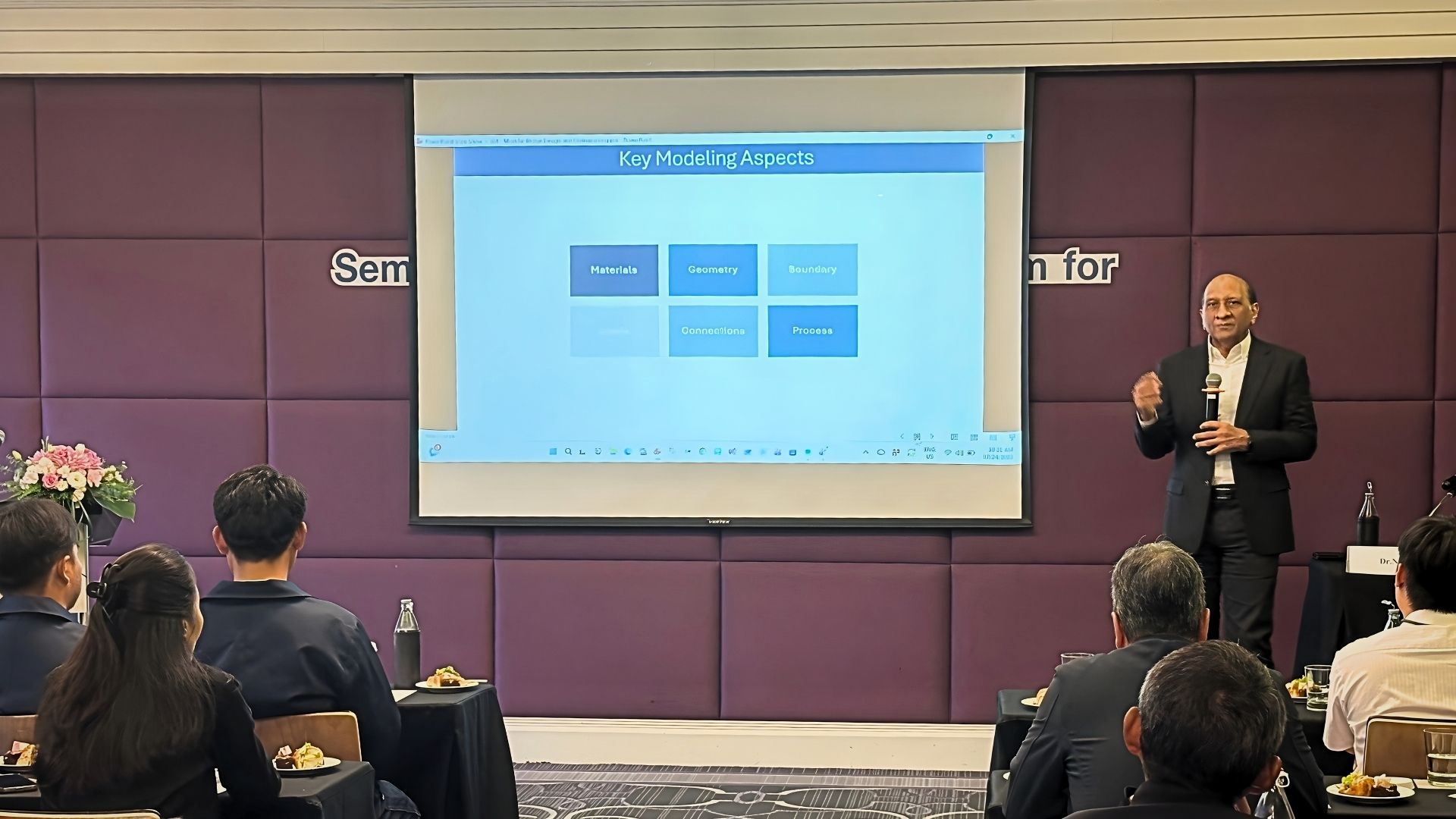
Dr. Naveed Anwar, CEO of CSi Bangkok, delivered the keynote address on structural assessment methodologies. His presentation, titled “From Fundamentals to Scenario-Based Assessment,” introduced a systematic framework for evaluating bridge performance under progressively severe cyclonic conditions.
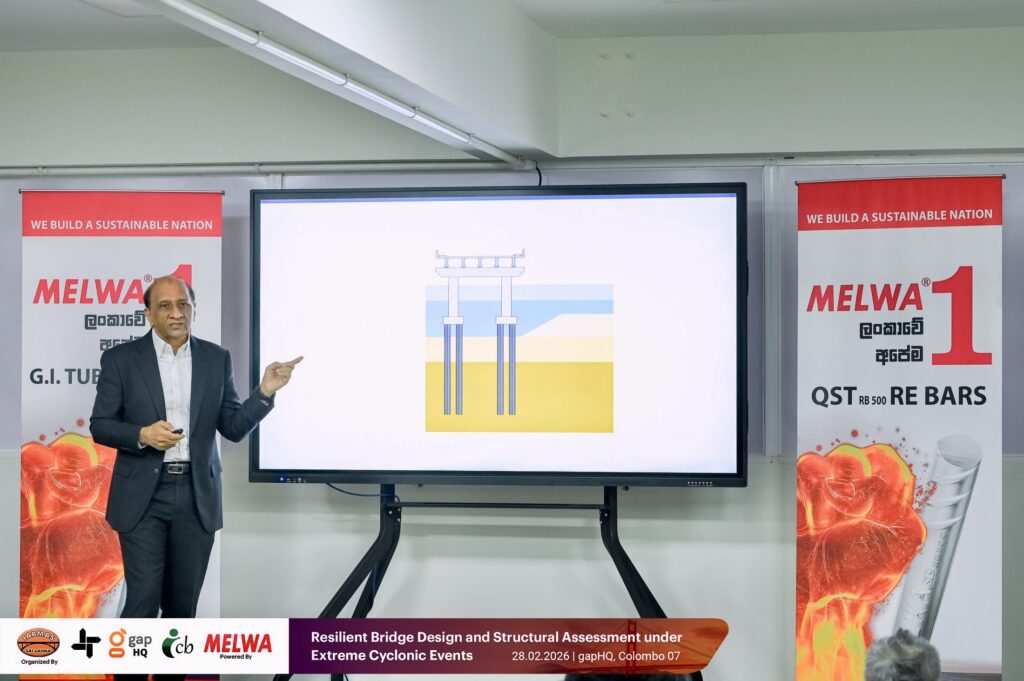
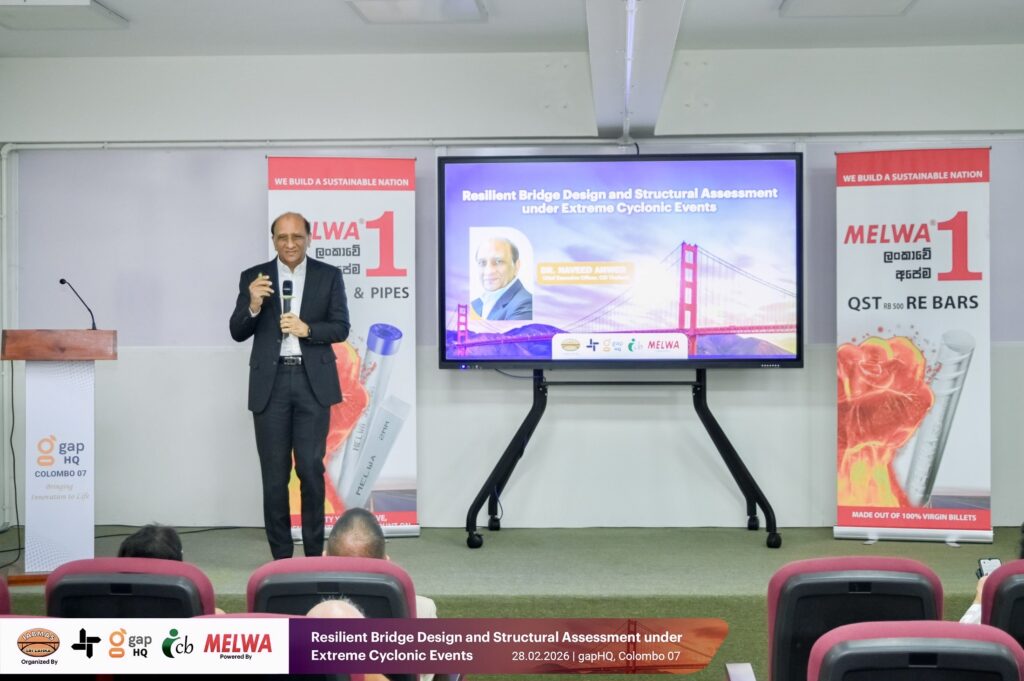
The methodology applies the same structural mechanics principles used in seismic assessment but adapts them to cyclonic hazards by incorporating modified inputs such as flood forces, scour effects, debris impact, and buoyancy forces.
Engineering Applications
The presentation also demonstrated how parametric modeling tools can enable rapid assessment of bridge inventories, allowing engineers and authorities to translate analytical results into practical operational decisions such as bridge closures and traffic restrictions during extreme weather events.
The seminar also attracted interest from the architectural community, with architects attending to better understand the structural engineering processes behind infrastructure resilience.
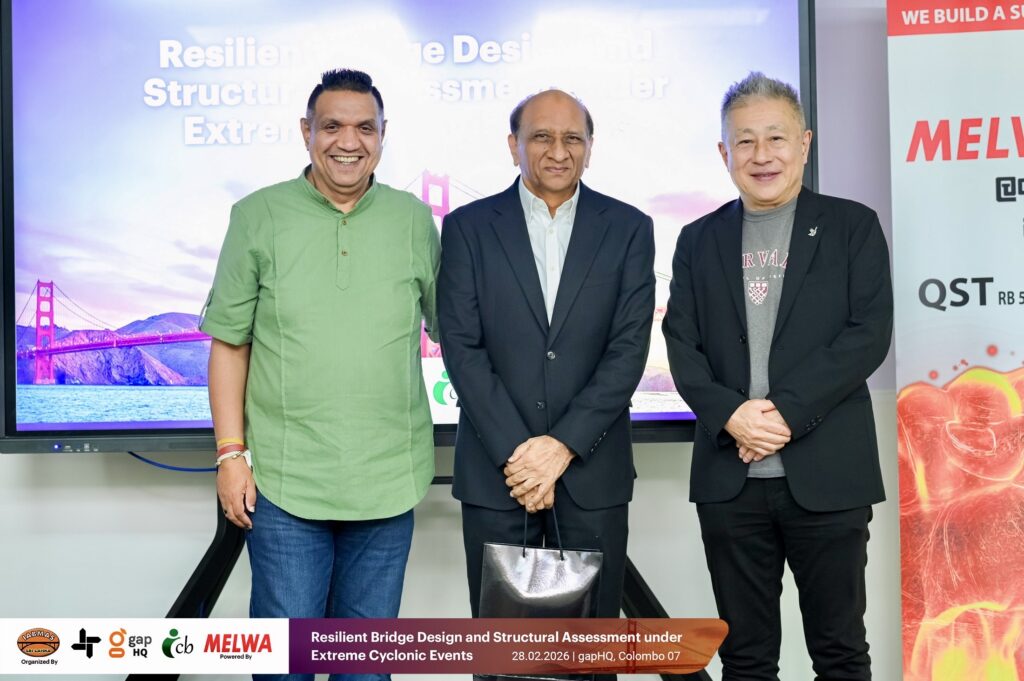
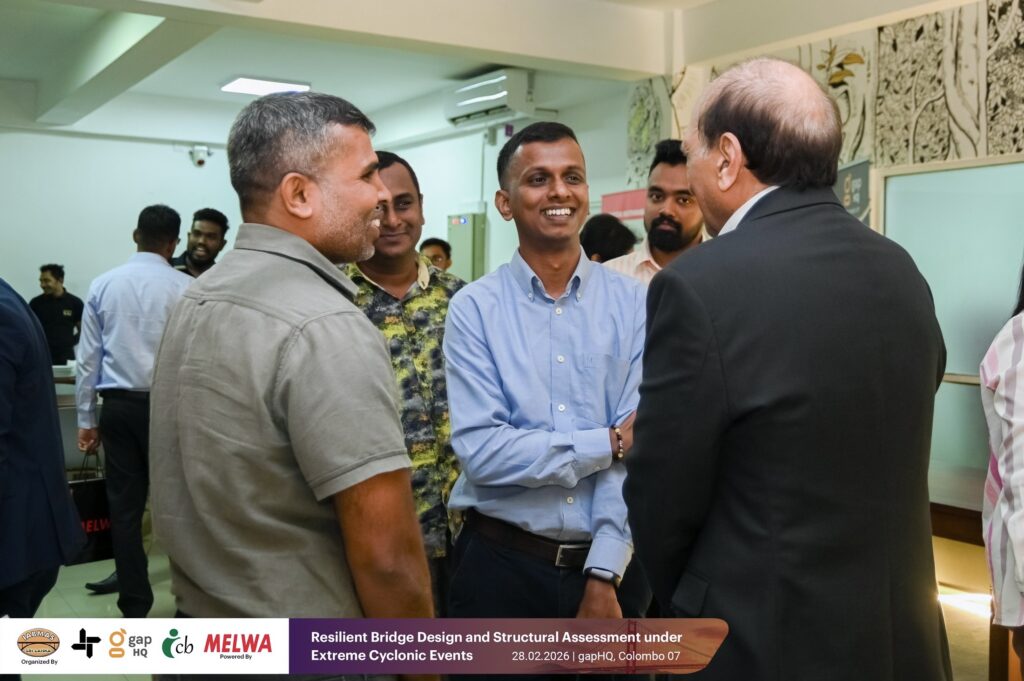
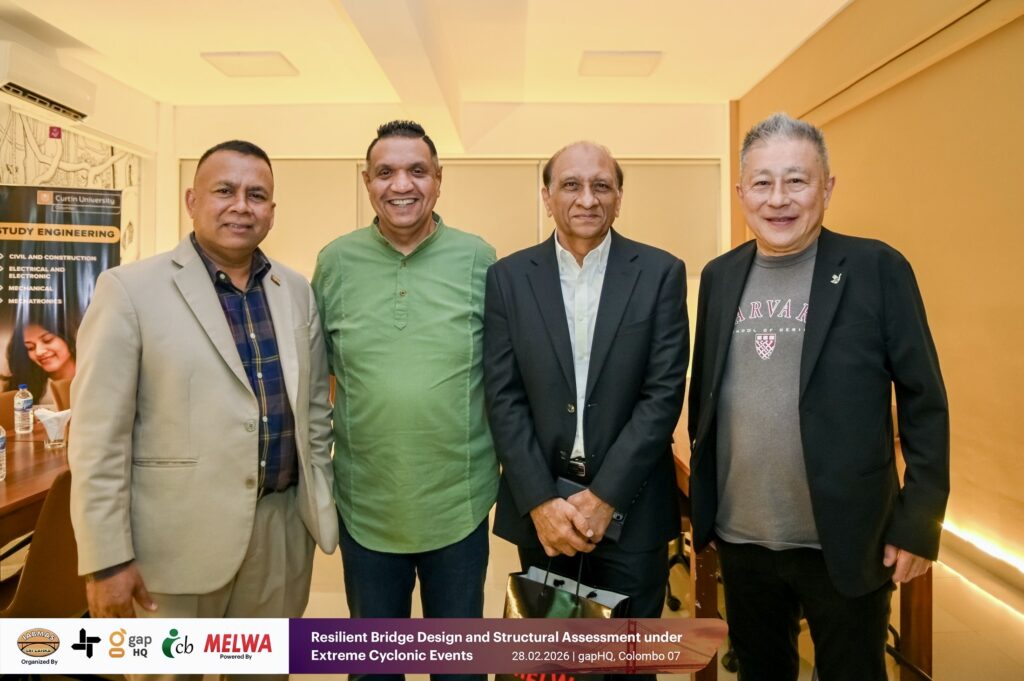
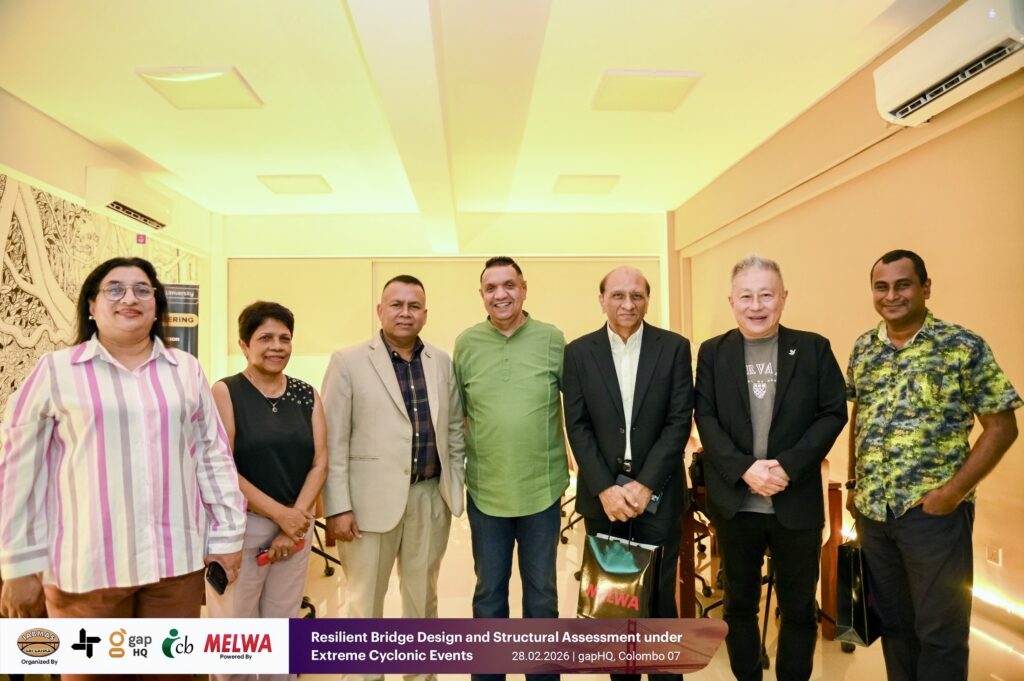
After the presentations, participants and speakers had a chance to network, allowing exchange of knowledge and experiences. The event provided a suitable platform to not just discuss the subject matter but also to develop collaborations, business and personal connections to improve the industry.
Related posts
Original event post by gapHQ
Dr. Naveed gives keynote on AI in Structural Engineering at gapHQ (July 2025)