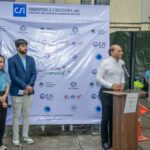
The Structural Engineering Forum at the Asian Institute of Technology (AIT), in collaboration with CSI Bangkok and the Earthquake Research Center of Thailand (EARTH) as official sponsors, organized the 3rd edition of the Seismic Performance of Building Model 3.0. This global competition invites future civil and structural engineers to showcase their creativity, technical skills, and design resilience under seismic loading.
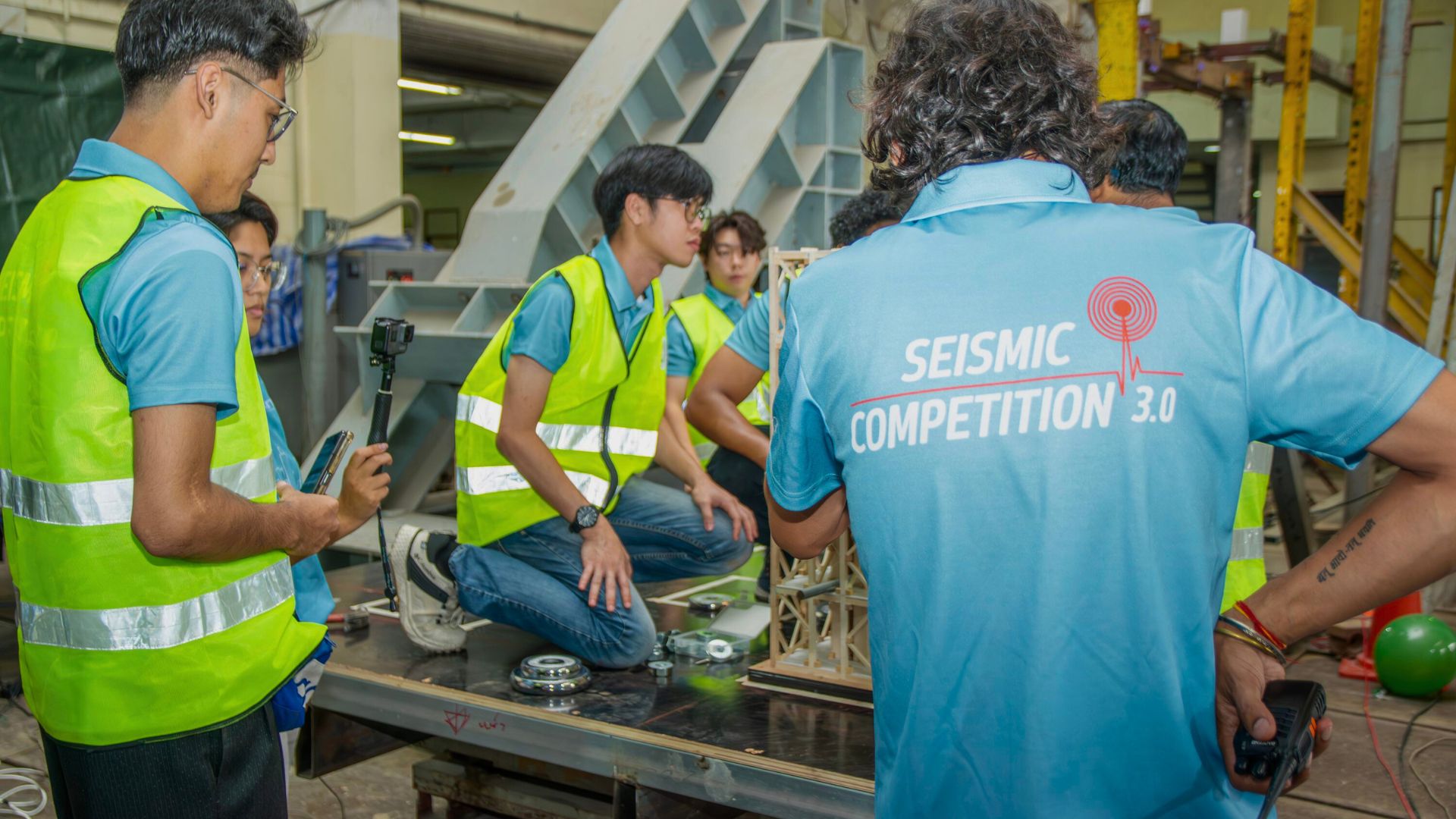
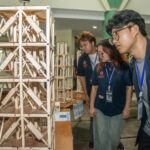
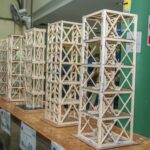
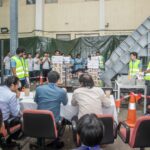
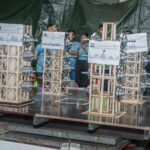
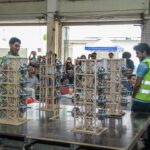
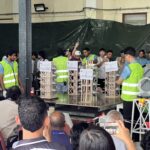
Held on July 29, 2025, the event challenged participants to design and construct balsa wood building models and subject them to real shake table testing, simulating the impact of earthquake forces in a controlled lab environment.
This third edition of the competition provided a hands-on platform for engineering students to demonstrate innovative thinking, apply structural analysis principles, and engage with international peers and experts.
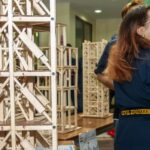
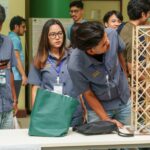
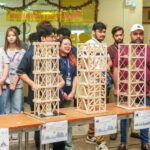
The competition offered participants a unique opportunity to move beyond classroom theory and experience the seismic behavior of their own model structures in a controlled environment. Teams from across Asia took on the challenge of building scaled balsa wood models that were evaluated under simulated earthquake conditions.
📅 Date: July 29, 2025
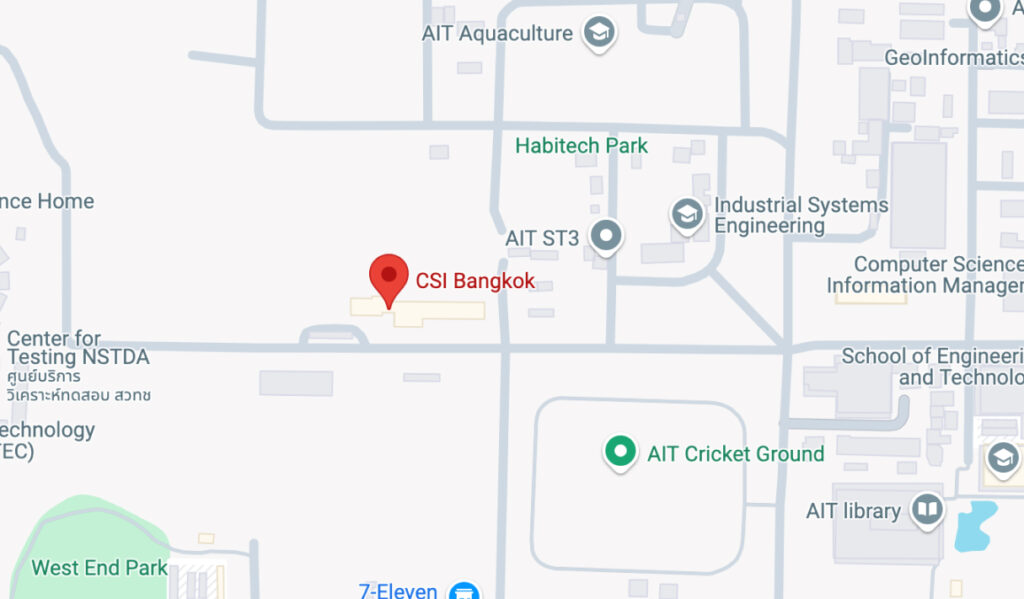
📍 Venue: Structural Engineering Laboratory, AIT, Thailand
👨🎓 Eligibility: Undergraduate civil engineering students worldwide
🏆 Awards: Cash prizes, free seminar access, and international recognition
🧪 Challenge: Build balsa wood models and test them on a seismic shake table
Participants were required to design scaled models that demonstrated seismic resistance and vibration control using the following specifications:
Material: Balsa wood (max 12 mm × 12 mm)
Base Plate: 30×30 cm (plywood or cardboard)
Height: 75–80 cm (5 stories)
Mass per Floor: Must support at least 7 kg
Total Mass Limit: 1.6 kg (excluding base plate)
Features Allowed: Bracings, damping devices, shear walls
Not Allowed: Roof vibration control, wrapped elements, detached columns
Deliverables: 2–3-minute concept video prior to testing
Shake table testing was used to simulate real seismic conditions and evaluate the model’s structural performance.
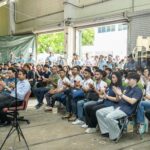
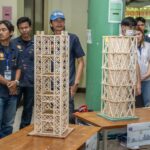
25 teams registered for the contest, but a total of 17 teams (consisting of 80 students) made it to the contest, representing 7 countries joined the competition. Teams included participants from Pakistan, India, Nepal, the Philippines, Sri Lanka, Thailand, and Malaysia.
Each team was assigned a dedicated mentor to guide them throughout the process
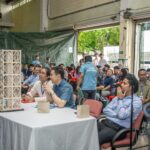
Judges assessed each model based on performance, design efficiency, innovation, and constructability.
Judging Panel:
Dr. Nattapat Wongpakdee – Naresuan University
Mr. Thaung Htut Aung – AIT Solutions
Special Guests of Honor
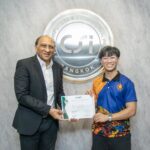
Dr. Naveed Anwar – CEO, CSI Bangkok
Prof. Pennung Warnitchai – Founding Director, Earthquake Research Center of Thailand
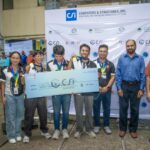
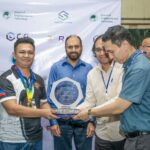
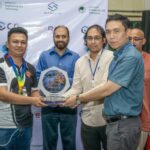
Each and every team brought forward 𝐮𝐧𝐢𝐪𝐮𝐞 𝐝𝐞𝐬𝐢𝐠𝐧 𝐬𝐨𝐥𝐮𝐭𝐢𝐨𝐧𝐬 𝐚𝐧𝐝 𝐭𝐡𝐨𝐮𝐠𝐡𝐭𝐟𝐮𝐥 𝐞𝐧𝐠𝐢𝐧𝐞𝐞𝐫𝐢𝐧𝐠 making this one of the most competitive and insightful editions yet. From energy dissipation techniques to smart construction detailing, all designs were incredibly exceptional. In the end, only one team could claim the top prize, which went to PICE-Davao, representing the Philippine Institute of Civil Engineers.
🥇 Champion: Philippines Institute of Civil Engineers
💡 Most Innovative Idea: King Mongkut Institute of Technology Ladkrabang (Thailand)
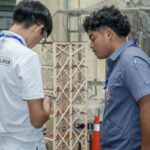
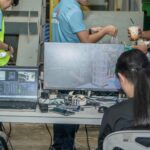
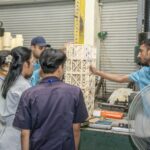
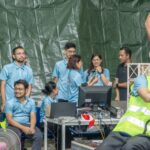
Here are highlights from the past editions and the current 3.0 edition (2025) of the seismic challenge:
For more details or to keep updated with the latest news around this event, visit the Structural Engineering Facebook page
This competition continues to be more than just a contest as it’s a celebration of student-driven innovation, international collaboration, and practical learning. We look forward to seeing more incredible ideas and practical designs in the next edition. Stay tuned!
Date
Location
Organizer
Theme
Photos
















If you’d like to explore more about CSI Bangkok and stay updated on our upcoming events, please fill in the form below to connect with us.